
გრანიტი არის მაგმური ქანის სახეობა, რომელიც მოიპოვება მისი უკიდურესი სიმტკიცის, სიმკვრივის, გამძლეობისა და კოროზიისადმი მდგრადობის გამო. თუმცა, გრანიტი ასევე ძალიან მრავალმხრივია - ის მხოლოდ კვადრატებისა და მართკუთხედებისთვის არ გამოიყენება! სინამდვილეში, ჩვენ თავდაჯერებულად ვმუშაობთ გრანიტის კომპონენტებთან, რომლებიც რეგულარულად არის დამუშავებული ყველა ფორმის, კუთხისა და მრუდის მიხედვით - შესანიშნავი შედეგებით.
ჩვენი უახლესი ტექნოლოგიებით დამუშავების წყალობით, ჭრილი ზედაპირები შეიძლება იყოს განსაკუთრებით ბრტყელი. ეს თვისებები გრანიტს იდეალურ მასალად აქცევს ინდივიდუალური ზომისა და დიზაინის მქონე მანქანების ბაზებისა და მეტროლოგიური კომპონენტების შესაქმნელად. გრანიტი:
■ დამუშავებადი
■ ჭრისა და დასრულების შემდეგ ზუსტად ბრტყელი
■ ჟანგისადმი მდგრადი
■ გამძლე
■ ხანგრძლივი მოქმედების
გრანიტის კომპონენტები ასევე ადვილად იწმინდება. ინდივიდუალური დიზაინის შექმნისას, დარწმუნდით, რომ გრანიტი მისი უმაღლესი უპირატესობების გამო აირჩიეთ.
სტანდარტები / მაღალი ცვეთისადმი მდგრადი გამოყენება
ZHHIMG-ის მიერ ჩვენი სტანდარტული ზედაპირული ფირფიტების წარმოებისთვის გამოყენებული გრანიტი შეიცავს კვარცის მაღალ შემცველობას, რაც უზრუნველყოფს ცვეთისა და დაზიანებისადმი უფრო მაღალ მდგრადობას. ჩვენს Superior Black ფერებს აქვთ წყლის დაბალი შთანთქმის მაჩვენებელი, რაც მინიმუმამდე ამცირებს თქვენი ზუსტი საზომების ჟანგის დაცემის შესაძლებლობას ფირფიტებზე დამაგრებისას. ZHHIMG-ის მიერ შემოთავაზებული გრანიტის ფერები იწვევს ნაკლებ სიკაშკაშეს, რაც ნიშნავს ფილების მომხმარებლებისთვის თვალის ნაკლებ დაძაბვას. ჩვენ გრანიტის ტიპები შევარჩიეთ თერმული გაფართოების გათვალისწინებით, რათა ეს ასპექტი მინიმალური ყოფილიყო.
მორგებული აპლიკაციები
როდესაც თქვენი აპლიკაცია მოითხოვს ინდივიდუალური ფორმების მქონე ფირფიტას, ხრახნიან ჩანართებს, ჭრილებს ან სხვა სახის დამუშავებას, თქვენ უნდა აირჩიოთ მასალა, როგორიცაა Black Jinan Black. ეს ბუნებრივი მასალა გთავაზობთ უმაღლეს სიმტკიცეს, შესანიშნავ ვიბრაციის ჩამხშობს და გაუმჯობესებულ დამუშავების უნარს.
მნიშვნელოვანია აღინიშნოს, რომ მხოლოდ ფერი ქვის ფიზიკური თვისებების მაჩვენებელი არ არის. ზოგადად, გრანიტის ფერი პირდაპირ კავშირშია მინერალების არსებობასთან ან არარსებობასთან, რომლებსაც შეიძლება არანაირი გავლენა არ ჰქონდეთ იმ თვისებებზე, რომლებიც კარგი ზედაპირის ფილის მასალისგან შედგება. არსებობს ვარდისფერი, ნაცრისფერი და შავი გრანიტები, რომლებიც შესანიშნავია ზედაპირის ფილებისთვის, ასევე შავი, ნაცრისფერი და ვარდისფერი გრანიტები, რომლებიც სრულიად შეუფერებელია ზუსტი გამოყენებისთვის. გრანიტის კრიტიკული მახასიათებლები, რადგან ისინი დაკავშირებულია მის გამოყენებასთან, როგორც ზედაპირის ფილის მასალისა, არანაირ კავშირში არ არის ფერთან და შემდეგია:
■ სიმტკიცე (გადახრა დატვირთვის ქვეშ - მითითებულია ელასტიურობის მოდულით)
■ სიმტკიცე
■ სიმჭიდროვე
■ ცვეთისადმი მდგრადობა
■ სტაბილურობა
■ ფორიანობა
ჩვენ გამოვცადეთ გრანიტის მრავალი მასალა და შევადარეთ ისინი ერთმანეთს. საბოლოოდ მივიღეთ შედეგი, ჯინანის შავი გრანიტი საუკეთესო მასალაა, რაც კი ოდესმე გვინახავს. ინდური შავი გრანიტი და სამხრეთ აფრიკული გრანიტი ჯინანის შავი გრანიტის მსგავსია, მაგრამ მათი ფიზიკური თვისებები ჯინანის შავი გრანიტისას ნაკლებია. ZHHIMG გააგრძელებს მსოფლიოში გრანიტის მეტი მასალის ძიებას და მათი ფიზიკური თვისებების შედარებას.
თქვენი პროექტისთვის შესაფერისი გრანიტის შესახებ დამატებითი ინფორმაციის მისაღებად, გთხოვთ, დაგვიკავშირდეთ.info@zhhimg.com.
სხვადასხვა მწარმოებელი სხვადასხვა სტანდარტს იყენებს. მსოფლიოში მრავალი სტანდარტი არსებობს.
DIN სტანდარტი, ASME B89.3.7-2013 ან ფედერალური სპეციფიკაცია GGG-P-463c (გრანიტის ზედაპირის ფილები) და ა.შ., როგორც მათი სპეციფიკაციების საფუძველი.
და ჩვენ შეგვიძლია თქვენი მოთხოვნების შესაბამისად გრანიტის ზუსტი შემოწმების ფირფიტის დამზადება. თუ გსურთ მეტი ინფორმაციის მიღება სხვა სტანდარტების შესახებ, დაგვიკავშირდით.
სიბრტყედ შეიძლება ჩაითვალოს ზედაპირის ყველა წერტილის ორ პარალელურ სიბრტყეში, ბაზის სიბრტყესა და სახურავის სიბრტყეში მოთავსება. სიბრტყეებს შორის მანძილის გაზომვა ზედაპირის საერთო სიბრტყეა. სიბრტყის ამ გაზომვას ჩვეულებრივ აქვს ტოლერანტობა და შეიძლება მოიცავდეს კლასის აღნიშვნას.
მაგალითად, სამი სტანდარტული კლასის სიბრტყის ტოლერანტობა განისაზღვრება ფედერალურ სპეციფიკაციაში, როგორც ეს განისაზღვრება შემდეგი ფორმულით:
■ ლაბორატორიული კლასი AA = (40 + დიაგონალი კვადრატში/25) x .000001" (ცალმხრივი)
■ ინსპექტირების კლასი A = ლაბორატორიული კლასი AA x 2
■ ხელსაწყოების ოთახის კლასი B = ლაბორატორიის კლასი AA x 4.
სტანდარტული ზომის ზედაპირული ფილებისთვის, ჩვენ გარანტიას ვაძლევთ სიბრტყის ტოლერანტობას, რომელიც აღემატება ამ სპეციფიკაციის მოთხოვნებს. სიბრტყის გარდა, ASME B89.3.7-2013 და ფედერალური სპეციფიკაცია GGG-P-463c მოიცავს ისეთ საკითხებს, როგორიცაა: განმეორებითი გაზომვის სიზუსტე, ზედაპირული ფირფიტის გრანიტის მასალის თვისებები, ზედაპირის დასრულება, საყრდენი წერტილის მდებარეობა, სიმტკიცე, შემოწმების მისაღები მეთოდები, ხრახნიანი ჩანართების მონტაჟი და ა.შ.
ZHHIMG გრანიტის ზედაპირული ფილები და გრანიტის საინსპექციო ფილები აკმაყოფილებს ან აღემატება ამ სპეციფიკაციაში დადგენილ ყველა მოთხოვნას. ამჟამად, არ არსებობს გრანიტის კუთხოვანი ფილებისთვის, პარალელებისთვის ან მთავარი კვადრატებისთვის განმსაზღვრელი სპეციფიკაცია.
და სხვა სტანდარტების ფორმულების პოვნა შეგიძლიათჩამოტვირთვა.
პირველ რიგში, მნიშვნელოვანია თეფშის სისუფთავის შენარჩუნება. ჰაერში გავრცელებული აბრაზიული მტვერი, როგორც წესი, თეფშის ცვეთისა და დაზიანების ყველაზე დიდი წყაროა, რადგან ის მიდრეკილია ჩაჭედოს სამუშაო ნაწილებსა და საზომი ხელსაწყოების შეხების ზედაპირებში. მეორეც, დააფარეთ თეფში, რათა დაიცვათ იგი მტვრისა და დაზიანებისგან. ცვეთის ვადა შეიძლება გახანგრძლივდეს თეფშის დაფარვით, როდესაც ის არ გამოიყენება, თეფშის პერიოდული მობრუნებით, რათა ერთი ზედაპირი არ დაიტვირთოს ზედმეტად და საზომ მოწყობილობაზე ფოლადის კონტაქტური ბალიშების კარბიდის ბალიშებით შეცვლით. ასევე, მოერიდეთ თეფშზე საკვების ან გამაგრილებელი სასმელების დადებას. გაითვალისწინეთ, რომ ბევრი გამაგრილებელი სასმელი შეიცავს ნახშირბადის ან ფოსფორის მჟავას, რომელსაც შეუძლია რბილი მინერალების გახსნა და ზედაპირზე პატარა ორმოების დატოვება.
ეს დამოკიდებულია იმაზე, თუ როგორ გამოიყენება თეფში. თუ შესაძლებელია, გირჩევთ, თეფში დღის დასაწყისში (ან სამუშაო ცვლაში) გაწმინდოთ და ბოლოს ისევ გაწმინდოთ. თუ თეფში დაბინძურდება, განსაკუთრებით ცხიმიანი ან წებოვანი სითხით, ის, სავარაუდოდ, დაუყოვნებლივ უნდა გაწმინდოთ.
ფირფიტა რეგულარულად გაწმინდეთ სითხით ან ZHHIMG Waterless ზედაპირის ფირფიტის საწმენდი საშუალებით. საწმენდი ხსნარების შერჩევა მნიშვნელოვანია. თუ გამოიყენება აქროლადი გამხსნელი (აცეტონი, ლაქის გამხსნელი, სპირტი და ა.შ.), აორთქლება გააგრილებს ზედაპირს და დაამახინჯებს მას. ამ შემთხვევაში, გამოყენებამდე აუცილებელია ფირფიტის ნორმალიზების დაშვება, წინააღმდეგ შემთხვევაში გაზომვის შეცდომები მოხდება.
თეფშის ნორმალიზებისთვის საჭირო დრო დამოკიდებულია თეფშის ზომასა და გაციების რაოდენობაზე. პატარა თეფშებისთვის ერთი საათი საკმარისი უნდა იყოს. დიდი თეფშებისთვის შეიძლება ორი საათი დასჭირდეს. თუ წყალზე დამზადებულ საწმენდ საშუალებას გამოიყენებთ, გარკვეული აორთქლებით გაციებაც მოხდება.
ფირფიტა ასევე შეინარჩუნებს წყალს, რამაც შეიძლება გამოიწვიოს ზედაპირთან შეხებაში მყოფი ლითონის ნაწილების ჟანგი. ზოგიერთი საწმენდი საშუალება გაშრობის შემდეგ წებოვან ნარჩენებსაც ტოვებს, რაც ჰაერში გავრცელებულ მტვერს იზიდავს და ცვეთას ამცირებს და არა ამცირებს.
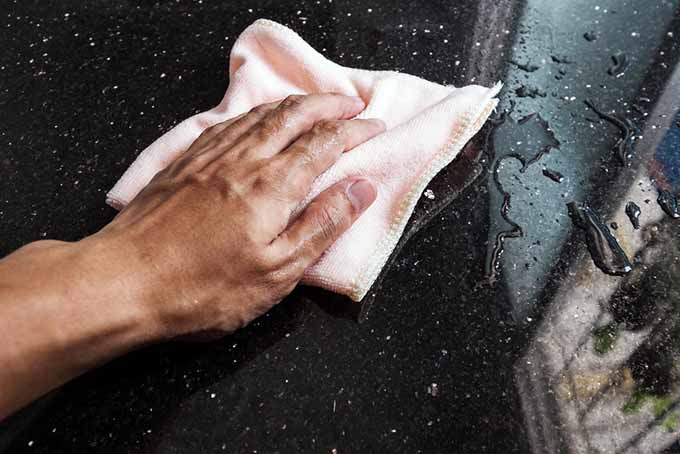
ეს დამოკიდებულია ფირფიტის გამოყენებასა და გარემოზე. ჩვენ გირჩევთ, რომ ახალი ფირფიტა ან ზუსტი გრანიტის აქსესუარი სრულად ხელახალი კალიბრაცია გაიაროს შეძენიდან ერთი წლის განმავლობაში. თუ გრანიტის ზედაპირის ფირფიტა ინტენსიურად გამოიყენება, შეიძლება მიზანშეწონილი იყოს ამ ინტერვალის ექვს თვემდე შემცირება. ელექტრონული დონის ან მსგავსი მოწყობილობის გამოყენებით განმეორებითი გაზომვის შეცდომების ყოველთვიური შემოწმება გამოავლენს ნებისმიერ განვითარებად ცვეთას და მის შესრულებას მხოლოდ რამდენიმე წუთი სჭირდება. პირველი ხელახალი კალიბრაციის შედეგების დადგენის შემდეგ, კალიბრაციის ინტერვალი შეიძლება გაგრძელდეს ან შემცირდეს თქვენი შიდა ხარისხის სისტემის დაშვებული ან მოთხოვნილი შესაბამისად.
ჩვენ შეგვიძლია შემოგთავაზოთ მომსახურება, რომელიც დაგეხმარებათ თქვენი გრანიტის ზედაპირის ფილის შემოწმებასა და კალიბრაციაში.

კალიბრაციებს შორის არსებული განსხვავებების რამდენიმე შესაძლო მიზეზი არსებობს:
- კალიბრაციამდე ზედაპირი გარეცხილი იყო ცხელი ან ცივი ხსნარით და ნორმალიზაციისთვის საკმარისი დრო არ მიეცა.
- ფირფიტა არასწორად არის დამაგრებული
- ტემპერატურის ცვლილება
- პროექტები
- თეფშის ზედაპირზე მზის პირდაპირი სხივები ან სხვა გამოსხივებული სითბო. დარწმუნდით, რომ ზედაპირს ზედაპირს არ აცხელებს.
- ვერტიკალური ტემპერატურის გრადიენტის ვარიაციები ზამთარსა და ზაფხულს შორის (თუ შესაძლებელია, იცოდეთ ვერტიკალური გრადიენტის ტემპერატურა კალიბრაციის შესრულების დროს.)
- ფირფიტას არ მიეცა საკმარისი დრო გაგზავნის შემდეგ ნორმალიზებისთვის
- ინსპექტირების აღჭურვილობის არასათანადო გამოყენება ან არაკალიბრირებული აღჭურვილობის გამოყენება
- ზედაპირის ცვლილება ცვეთის შედეგად
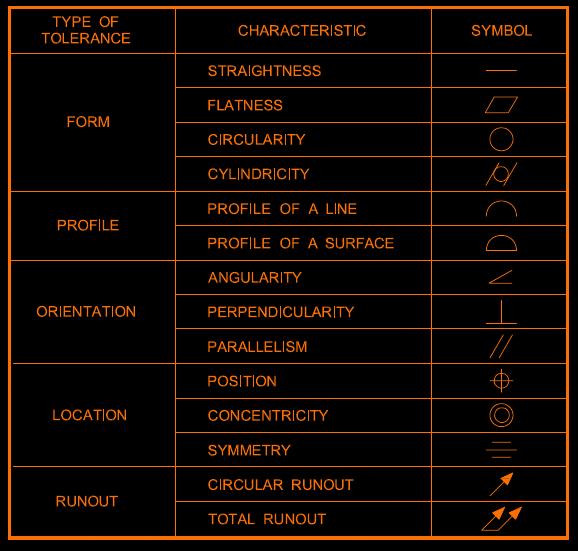
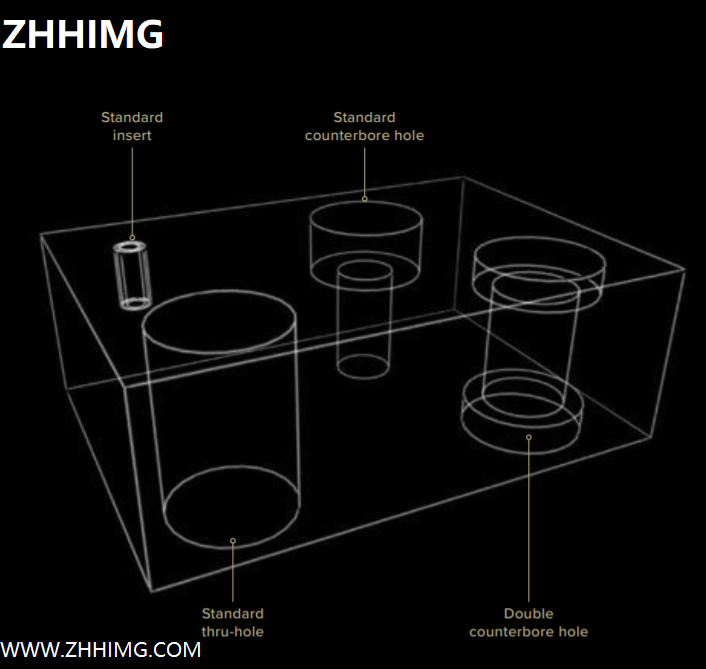
რამდენი სახის ნახვრეტია ზუსტი გრანიტზე?
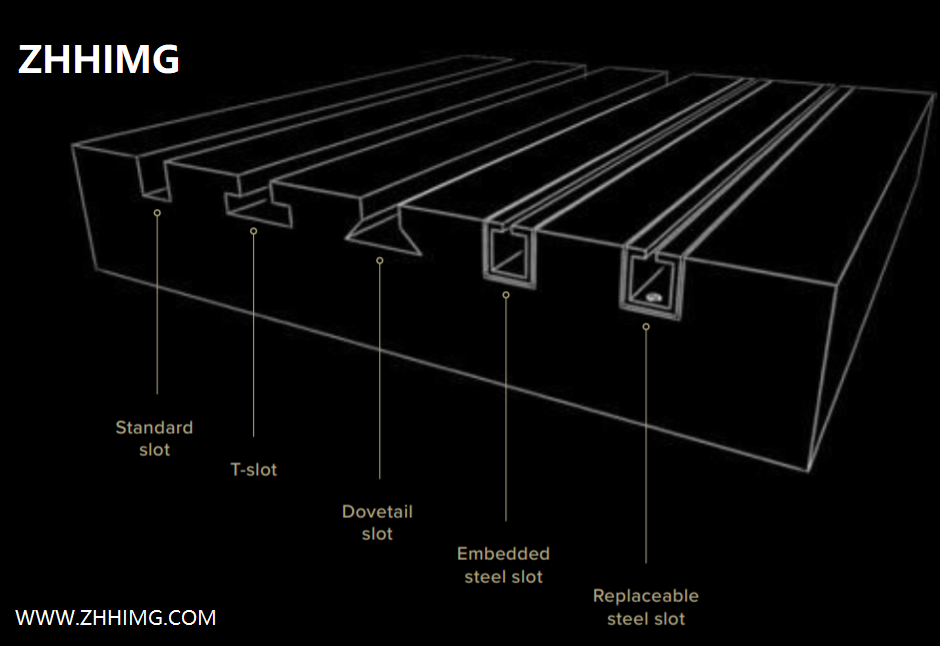
სლოტები Precision Granite Components-ზე
ბევრი ქარხნის, ინსპექტირების ოთახისა და ლაბორატორიისთვის ზუსტი გაზომვის საფუძვლად გრანიტის ზედაპირის ფირფიტები გამოიყენება. რადგან ყველა წრფივი გაზომვა დამოკიდებულია ზუსტ საცნობარო ზედაპირზე, საიდანაც აღებულია საბოლოო ზომები, ზედაპირის ფირფიტები უზრუნველყოფს საუკეთესო საცნობარო სიბრტყეს სამუშაო შემოწმებისა და განლაგებისთვის დამუშავებამდე. ისინი ასევე იდეალური საფუძვლებია სიმაღლის გაზომვებისა და ზედაპირების გაზომვისთვის. გარდა ამისა, მაღალი სიბრტყე, სტაბილურობა, საერთო ხარისხი და დამუშავება მათ კარგ არჩევნად აქცევს დახვეწილი მექანიკური, ელექტრონული და ოპტიკური საზომი სისტემების დასამონტაჟებლად. ამ გაზომვის ნებისმიერი პროცესისთვის აუცილებელია ზედაპირის ფირფიტების დაკალიბრება.
განმეორებითი გაზომვები და სიბრტყე
ზედაპირის სიზუსტის უზრუნველსაყოფად კრიტიკულად მნიშვნელოვანია როგორც სიბრტყის, ასევე განმეორებითი გაზომვები. სიბრტყედ შეიძლება ჩაითვალოს ზედაპირის ყველა წერტილის ორ პარალელურ სიბრტყეში, ბაზის სიბრტყესა და სახურავის სიბრტყეში მოთავსება. სიბრტყეებს შორის მანძილის გაზომვა ზედაპირის საერთო სიბრტყეა. სიბრტყის ამ გაზომვას ჩვეულებრივ აქვს ტოლერანტობა და შეიძლება მოიცავდეს კლასის აღნიშვნას.
სამი სტანდარტული კლასის სიბრტყის ტოლერანტობა განისაზღვრება ფედერალურ სპეციფიკაციაში, რომელიც განისაზღვრება შემდეგი ფორმულით:
DIN სტანდარტი, GB სტანდარტი, ASME სტანდარტი, JJS სტანდარტი... სხვადასხვა ქვეყანა სხვადასხვა სტენდით...
დამატებითი დეტალები სტანდარტის შესახებ.
სიბრტყის გარდა, უნდა იყოს უზრუნველყოფილი განმეორებადობა. განმეორებითი გაზომვა არის ლოკალური სიბრტყის ფართობების გაზომვა. ეს არის გაზომვა, რომელიც ხორციელდება ფილის ზედაპირის ნებისმიერ წერტილში და განმეორდება მითითებული ტოლერანტობის ფარგლებში. ლოკალური ფართობის სიბრტყის კონტროლი საერთო სიბრტყეზე უფრო მკაცრი ტოლერანტობით უზრუნველყოფს ზედაპირის სიბრტყის პროფილის თანდათანობით ცვლილებას, რითაც მინიმუმამდეა დაყვანილი ლოკალური შეცდომები.
იმისათვის, რომ ზედაპირის ფილა აკმაყოფილებდეს როგორც სიბრტყის, ასევე განმეორებითი გაზომვის სპეციფიკაციებს, გრანიტის ზედაპირის ფილების მწარმოებლებმა თავიანთი სპეციფიკაციების საფუძვლად უნდა გამოიყენონ ფედერალური სპეციფიკაცია GGG-P-463c. ეს სტანდარტი ითვალისწინებს განმეორებითი გაზომვის სიზუსტეს, ზედაპირული ფილა გრანიტის მასალის თვისებებს, ზედაპირის დამუშავებას, საყრდენი წერტილის მდებარეობას, სიმტკიცეს, შემოწმების მისაღებ მეთოდებს და ხრახნიანი ჩანართების მონტაჟს.
ფირფიტის სიზუსტის შემოწმება
რამდენიმე მარტივი ინსტრუქციის დაცვით, გრანიტის ზედაპირის ფილაში ინვესტიცია მრავალი წლის განმავლობაში უნდა გაძლოს. ფილის გამოყენების, სახელოსნოს გარემოსა და საჭირო სიზუსტის მიხედვით, ზედაპირის ფილის სიზუსტის შემოწმების სიხშირე განსხვავებულია. ზოგადი წესია, რომ ახალი ფილა სრულად უნდა დაკალიბრდეს შეძენიდან ერთი წლის განმავლობაში. თუ ფილა ხშირად გამოიყენება, სასურველია ეს ინტერვალი ექვს თვემდე შემცირდეს.
ზედაპირის ფირფიტის საერთო სიბრტყისთვის დასაშვებ ნორმას გადააჭარბოს, მასზე გამოჩნდება გაცვეთილი ან ტალღოვანი ბოძები. განმეორებითი გაზომვის შეცდომების ყოველთვიური შემოწმება განმეორებითი მაჩვენებლის გამოყენებით გამოავლენს ცვეთის ადგილებს. განმეორებითი მაჩვენებლის მაჩვენებელი არის მაღალი სიზუსტის ინსტრუმენტი, რომელიც აფიქსირებს ლოკალურ შეცდომას და მისი ჩვენება შესაძლებელია მაღალი გადიდების ელექტრონულ გამაძლიერებელზე.
ეფექტური შემოწმების პროგრამა უნდა მოიცავდეს ავტოკოლიმატორით რეგულარულ შემოწმებებს, რაც უზრუნველყოფს საერთო სიბრტყის ფაქტობრივ კალიბრაციას, რომელიც მიკვლევადია სტანდარტებისა და ტექნოლოგიების ეროვნული ინსტიტუტის (NIST) მიხედვით. დროდადრო აუცილებელია მწარმოებლის ან დამოუკიდებელი კომპანიის მიერ ყოვლისმომცველი კალიბრაცია.
კალიბრაციებს შორის ვარიაციები
ზოგიერთ შემთხვევაში, ზედაპირული ფირფიტის კალიბრაციებს შორის არსებობს განსხვავებები. ზოგჯერ ამ ცვლილებების მიზეზი შეიძლება იყოს ისეთი ფაქტორები, როგორიცაა ცვეთის შედეგად გამოწვეული ზედაპირის ცვლილება, საინსპექციო აღჭურვილობის არასწორი გამოყენება ან არაკალიბრირებული აღჭურვილობის გამოყენება. თუმცა, ორი ყველაზე გავრცელებული ფაქტორია ტემპერატურა და საყრდენი.
ერთ-ერთი ყველაზე მნიშვნელოვანი ცვლადი ტემპერატურაა. მაგალითად, ზედაპირი შესაძლოა კალიბრაციამდე გარეცხილიყო ცხელი ან ცივი ხსნარით და ნორმალიზებისთვის საკმარისი დრო არ მიეცათ. ტემპერატურის ცვლილების სხვა მიზეზებია ცივი ან ცხელი ჰაერის ნაკადი, მზის პირდაპირი სხივები, ზემოდან განათება ან ფირფიტის ზედაპირზე გამოსხივებული სითბოს სხვა წყაროები.
ასევე შეიძლება იყოს ვარიაციები ვერტიკალური ტემპერატურის გრადიენტში ზამთარსა და ზაფხულს შორის. ზოგიერთ შემთხვევაში, ფირფიტას არ აქვს საკმარისი დრო გადაზიდვის შემდეგ ნორმალიზებისთვის. კარგი იდეაა ვერტიკალური გრადიენტის ტემპერატურის ჩაწერა კალიბრაციის შესრულების დროს.
კალიბრაციის ვარიაციის კიდევ ერთი გავრცელებული მიზეზი არასწორად დამაგრებული ფირფიტაა. ზედაპირული ფირფიტა სამ წერტილში უნდა იყოს დამაგრებული, იდეალურ შემთხვევაში, ფირფიტის ბოლოებიდან სიგრძის 20%-ის დაშორებით. ორი საყრდენი გრძელი მხარეებიდან სიგანის 20%-ის დაშორებით უნდა იყოს განლაგებული, ხოლო დარჩენილი საყრდენი ცენტრში უნდა იყოს.
მხოლოდ სამ წერტილს შეუძლია მყარად დაყრდნობა ნებისმიერ ზედაპირზე, გარდა ზუსტი ზედაპირისა. ფირფიტის სამზე მეტ წერტილზე დამაგრების მცდელობა გამოიწვევს იმას, რომ ფირფიტა მიიღებს საყრდენს სამი წერტილის სხვადასხვა კომბინაციიდან, რომლებიც არ იქნება იგივე სამი წერტილი, რომელზეც ის დამაგრებული იყო წარმოების დროს. ეს გამოიწვევს შეცდომებს, რადგან ფირფიტა გადაიხრება ახალი საყრდენის განლაგების შესაბამისად. განიხილეთ ფოლადის სადგამების გამოყენება საყრდენი სხივებით, რომლებიც შექმნილია სათანადო საყრდენი წერტილების შესაბამისად. ამ მიზნით სადგამები, როგორც წესი, ხელმისაწვდომია ზედაპირის ფირფიტის მწარმოებლისგან.
თუ ფირფიტა სათანადოდ არის დამაგრებული, ზუსტი გასწორება მხოლოდ იმ შემთხვევაშია საჭირო, თუ ამას აპლიკაცია მოითხოვს. სათანადოდ დამაგრებული ფირფიტის სიზუსტის შესანარჩუნებლად გასწორება აუცილებელი არ არის.
ფირფიტის სიცოცხლის გახანგრძლივება
რამდენიმე რეკომენდაციის დაცვა შეამცირებს გრანიტის ზედაპირის ფირფიტის ცვეთას და საბოლოოდ, გაახანგრძლივებს მის მომსახურების ვადას.
პირველ რიგში, მნიშვნელოვანია ფირფიტის სისუფთავის შენარჩუნება. ჰაერში გავრცელებული აბრაზიული მტვერი, როგორც წესი, ფირფიტის ცვეთის ყველაზე დიდი წყაროა, რადგან ის, როგორც წესი, იჭედება სამუშაო ნაწილებსა და საზომი ხელსაწყოების შეხების ზედაპირებზე.
ასევე მნიშვნელოვანია თეფშების დაფარვა მტვრისა და დაზიანებისგან დასაცავად. ცვეთის ვადა შეიძლება გახანგრძლივდეს თეფშის დაფარვით, როდესაც ის არ გამოიყენება.
პერიოდულად შემოატრიალეთ ფირფიტა, რათა ერთი ზედაპირი ზედმეტად არ დაიტვირთოს. ასევე, რეკომენდებულია საზომ ნაწილზე ფოლადის კონტაქტური ბალიშების კარბიდის ბალიშებით შეცვლა.
მოერიდეთ თეფშზე საკვების ან გამაგრილებელი სასმელების დადებას. ბევრი გამაგრილებელი სასმელი შეიცავს ნახშირბადის ან ფოსფორის მჟავას, რომელსაც შეუძლია რბილი მინერალების გახსნა და ზედაპირზე პატარა ორმოების დატოვება.
სად უნდა გავიმეოროთ
როდესაც გრანიტის ზედაპირის ფილას ხელახლა დამუშავება სჭირდება, განიხილეთ, ეს სერვისი ადგილზე უნდა შესრულდეს თუ კალიბრაციის ობიექტში. ყოველთვის სასურველია ფილას ხელახლა დამუშავება ქარხანაში ან სპეციალურ ობიექტში. თუმცა, თუ ფილა ძალიან ცვეთილი არ არის, როგორც წესი, საჭირო ტოლერანტობიდან 0.001 ინჩის ფარგლებში, მისი ხელახლა დამუშავება ადგილზევე შეიძლება. თუ ფილა იმდენად ცვეთილია, რომ ტოლერანტობიდან 0.001 ინჩზე მეტით სცდება, ან თუ ის ძლიერ დაღრმული ან ნაკაწრულია, მაშინ ის ხელახლა დამუშავებამდე ქარხანაში უნდა გაიგზავნოს დასამუშავებლად.
კალიბრაციის ობიექტს აქვს აღჭურვილობა და ქარხნული პარამეტრები, რომლებიც უზრუნველყოფს ოპტიმალურ პირობებს ფირფიტების სათანადო კალიბრაციისა და საჭიროების შემთხვევაში ხელახალი დამუშავებისთვის.
ადგილზე კალიბრაციისა და ზედაპირის აღდგენის ტექნიკოსის შერჩევას დიდი სიფრთხილე უნდა მიექცეს. მოითხოვეთ აკრედიტაცია და გადაამოწმეთ, რომ ტექნიკოსის მიერ გამოყენებული აღჭურვილობა ფლობს თვალყურისდევნებად კალიბრაციას. გამოცდილება ასევე მნიშვნელოვანი ფაქტორია, რადგან გრანიტის ზუსტი დამუშავების სწავლას მრავალი წელი სჭირდება.
კრიტიკული გაზომვები იწყება ზუსტი გრანიტის ზედაპირის ფირფიტით, როგორც საბაზისო ხაზით. სათანადოდ დაკალიბრებული ზედაპირის ფირფიტის გამოყენებით საიმედო მითითების უზრუნველყოფით, მწარმოებლებს აქვთ ერთ-ერთი აუცილებელი ინსტრუმენტი საიმედო გაზომვებისა და უკეთესი ხარისხის ნაწილებისთვის.Q
კალიბრაციის ვარიაციების საკონტროლო სია
1. ზედაპირი კალიბრაციამდე გარეცხილი იყო ცხელი ან ცივი ხსნარით და ნორმალიზაციისთვის საკმარისი დრო არ მიეცა.
2. ფირფიტა არასწორად არის დამაგრებული.
3. ტემპერატურის ცვლილება.
4. ნახაზები.
5. თეფშის ზედაპირზე მზის პირდაპირი სხივები ან სხვა გამოსხივებული სითბო. დარწმუნდით, რომ ზედაპირს ზედაპირს არ აცხელებს.
6. ვერტიკალური ტემპერატურის გრადიენტის ვარიაციები ზამთარსა და ზაფხულს შორის. თუ შესაძლებელია, იცოდეთ ვერტიკალური გრადიენტის ტემპერატურა კალიბრაციის შესრულების დროს.
7. ფირფიტას გადაზიდვის შემდეგ ნორმალიზებისთვის საკმარისი დრო არ მიეცა.
8. შემოწმების აღჭურვილობის არასათანადო გამოყენება ან არაკალიბრირებული აღჭურვილობის გამოყენება.
9. ცვეთის შედეგად გამოწვეული ზედაპირის ცვლილება.
ტექნიკური რჩევები
- რადგან ყველა წრფივი გაზომვა დამოკიდებულია ზუსტ საცნობარო ზედაპირზე, საიდანაც აღებულია საბოლოო ზომები, ზედაპირის ფირფიტები უზრუნველყოფს საუკეთესო საცნობარო სიბრტყეს სამუშაო შემოწმებისა და განლაგებისთვის დამუშავებამდე.
- ლოკალური ფართობის სიბრტყის კონტროლი საერთო სიბრტყესთან შედარებით უფრო მკაცრი ტოლერანტობით უზრუნველყოფს ზედაპირის სიბრტყის პროფილის თანდათანობით ცვლილებას, რითაც მინიმუმამდეა დაყვანილი ლოკალური შეცდომები.
- ეფექტური შემოწმების პროგრამა უნდა მოიცავდეს რეგულარულ შემოწმებებს ავტოკოლიმატორით, რაც უზრუნველყოფს საერთო სიბრტყის ფაქტობრივ კალიბრაციას, რომელიც მიკვლევადი იქნება ეროვნული შემოწმების ორგანოს მიხედვით.
გრანიტის შემადგენელი მინერალური ნაწილაკებიდან 90%-ზე მეტი ფელდშპატი და კვარცია, რომელთაგან ყველაზე მეტად ფელდშპატი გვხვდება. ფელდშპატი ხშირად თეთრი, ნაცრისფერი და ხორცისფერი წითელია, ხოლო კვარცი ძირითადად უფერო ან მონაცრისფრო-თეთრია, რაც გრანიტის ძირითად ფერს წარმოადგენს. ფელდშპატი და კვარცი მყარი მინერალებია და მათი გადაადგილება ფოლადის დანით რთულია. რაც შეეხება გრანიტში არსებულ მუქ ლაქებს, ძირითადად შავ ქარსს, არსებობს სხვა მინერალებიც. მიუხედავად იმისა, რომ ბიოტიტი შედარებით რბილია, მისი დაძაბულობისადმი წინააღმდეგობის უნარი სუსტი არ არის და ამავე დროს, გრანიტში ისინი მცირე რაოდენობითაა, ხშირად 10%-ზე ნაკლები. ეს არის მატერიალური მდგომარეობა, რომელშიც გრანიტი განსაკუთრებით მტკიცეა.
გრანიტის სიმტკიცის კიდევ ერთი მიზეზი ის არის, რომ მისი მინერალური ნაწილაკები ერთმანეთთან მჭიდროდ არის დაკავშირებული და ერთმანეთშია ჩადგმული. ფორები ხშირად ქანის მთლიანი მოცულობის 1%-ზე ნაკლებს შეადგენს. ეს გრანიტს აძლევს ძლიერი წნევისადმი გამძლეობის უნარს და ტენიანობა მასში ადვილად არ აღწევს.
გრანიტის კომპონენტები დამზადებულია ქვისგან, არ ჟანგდება, არ არის მდგრადი მჟავასა და ტუტეზე, აქვს კარგი ცვეთამედეგობა და ხანგრძლივი მომსახურების ვადა, არ საჭიროებს განსაკუთრებულ მოვლას. გრანიტის ზუსტი კომპონენტები ძირითადად გამოიყენება მანქანათმშენებლობის ხელსაწყოებში. ამიტომ, მათ გრანიტის ზუსტი კომპონენტები ან გრანიტის კომპონენტები ეწოდებათ. გრანიტის ზუსტი კომპონენტების მახასიათებლები ძირითადად იგივეა, რაც გრანიტის პლატფორმების. შესავალი გრანიტის ზუსტი კომპონენტების ხელსაწყოებსა და გაზომვაში: ზუსტი დამუშავება და მიკროდამუშავების ტექნოლოგია მანქანათმშენებლობის ინდუსტრიის მნიშვნელოვანი განვითარების მიმართულებებია და ისინი მაღალტექნოლოგიური დონის გასაზომად მნიშვნელოვან ინდიკატორად იქცნენ. უახლესი ტექნოლოგიებისა და თავდაცვის ინდუსტრიის განვითარება განუყოფელია ზუსტი დამუშავებისა და მიკროდამუშავების ტექნოლოგიისგან. გრანიტის კომპონენტები შეიძლება შეუფერხებლად გადაადგილდეს გაზომვისას, სტაგნაციის გარეშე. სამუშაო ზედაპირის გაზომვა, ზოგადი ნაკაწრები არ მოქმედებს გაზომვის სიზუსტეზე. გრანიტის კომპონენტები უნდა იყოს შემუშავებული და წარმოებული მოთხოვნის მხარის მოთხოვნების შესაბამისად.
გამოყენების სფერო:
როგორც ყველამ ვიცით, სულ უფრო მეტი მანქანა და მოწყობილობა ირჩევს ზუსტი გრანიტის კომპონენტებს.
გრანიტის კომპონენტები გამოიყენება დინამიური მოძრაობისთვის, ხაზოვანი ძრავებისთვის, CMM-ისთვის, CNC-სთვის, ლაზერული მანქანებისთვის...
დამატებითი ინფორმაციისთვის, კეთილი იყოს თქვენი მობრძანება.
გრანიტის საზომი ხელსაწყოები და გრანიტის მექანიკური კომპონენტები დამზადებულია მაღალი ხარისხის ჯინანის შავი გრანიტისგან. მაღალი სიზუსტის, ხანგრძლივი გამოყენების, კარგი სტაბილურობისა და კოროზიისადმი მდგრადობის გამო, ისინი სულ უფრო ხშირად გამოიყენება თანამედროვე ინდუსტრიისა და ისეთი სამეცნიერო სფეროების პროდუქტის ინსპექტირებაში, როგორიცაა მექანიკური, აერონავტიკა და სამეცნიერო კვლევები.
უპირატესობები
---- ორჯერ უფრო მაგარი, ვიდრე თუჯი;
---- ზომების მინიმალური ცვლილებები გამოწვეულია ტემპერატურის ცვლილებით;
---- არ იჭმუჭნება, ამიტომ სამუშაო არ შეფერხდება;
------ წვრილი მარცვლოვანი სტრუქტურისა და უმნიშვნელო წებოვნების გამო, არ აქვს ბურუსები ან ამობურცულობები, რაც უზრუნველყოფს სიბრტყის მაღალ ხარისხს ხანგრძლივი მომსახურების ვადის განმავლობაში და არ იწვევს სხვა ნაწილების ან ინსტრუმენტების დაზიანებას;
---- მაგნიტურ მასალებთან მუშაობისას პრობლემების გარეშე მუშაობა;
----ხანგრძლივი ექსპლუატაცია და ჟანგისადმი მდგრადი, რაც დაბალ მოვლა-პატრონობის ხარჯებს იწვევს.
ზუსტი გრანიტის ზედაპირის ფირფიტები მაღალი სტანდარტის სიბრტყით არის დამუშავებული სიზუსტის მისაღწევად და გამოიყენება როგორც საფუძველი დახვეწილი მექანიკური, ელექტრონული და ოპტიკური საზომი სისტემების დასამონტაჟებლად.
გრანიტის ზედაპირის ფილის ზოგიერთი უნიკალური მახასიათებელი:
სიმტკიცის ერთგვაროვნება;
ზუსტი დატვირთვის პირობებში;
ვიბრაციის შთამნთქმელი;
ადვილად გასაწმენდი;
გადახვევისადმი მდგრადი;
დაბალი ფორიანობა;
არააბრაზიული;
არამაგნიტური
გრანიტის ზედაპირის ფილის უპირატესობები
პირველ რიგში, ქანი ბუნებრივი დაბერების ხანგრძლივი პერიოდის შემდეგ, ერთგვაროვანი სტრუქტურით, მინიმალური კოეფიციენტით, შინაგანი სტრესი მთლიანად ქრება, არ დეფორმირდება, ამიტომ სიზუსტე მაღალია.
მეორეც, ნაკაწრები არ იქნება, არა მუდმივი ტემპერატურის პირობებში, ოთახის ტემპერატურაზეც კი შესაძლებელია ტემპერატურის გაზომვის სიზუსტის შენარჩუნება.
მესამე, არ არის მაგნიტიზაცია, გაზომვა შეიძლება იყოს გლუვი მოძრაობა, არ აქვს ჭრიალის შეგრძნება, არ იმოქმედებს ტენიანობაზე, სიბრტყე ფიქსირებულია.
მეოთხე, სიმტკიცე კარგია, სიმტკიცე მაღალია, აბრაზიისადმი წინააღმდეგობა ძლიერია.
მეხუთე, არ ეშინია მჟავა, ტუტე სითხის ეროზიის, არ იჟანგება, არ საჭიროებს ზეთით შეღებვას, არ იშლება მიკრომტვერში, ადვილად მოსავლელია, მარტივი მოვლაა, ხანგრძლივი მომსახურების ვადა აქვს.
რატომ უნდა აირჩიოთ გრანიტის ძირი თუჯის სადგამის ნაცვლად?
1. გრანიტის მანქანის ბაზას შეუძლია შეინარჩუნოს უფრო მაღალი სიზუსტე, ვიდრე თუჯის მანქანის ბაზას. თუჯის მანქანის ბაზაზე ადვილად მოქმედებს ტემპერატურა და ტენიანობა, გრანიტის მანქანის ბაზაზე კი - არა;
2. გრანიტის და თუჯის ფუძის ერთი და იგივე ზომის შემთხვევაში, გრანიტის და თუჯის ფუძის შემთხვევაში, ფუძის ეკონომიურობა უფრო მაღალია, ვიდრე თუჯის;
3. სპეციალური გრანიტის დანადგარის ფუძე უფრო ადვილად დასამუშავებელია, ვიდრე თუჯის დანადგარის ფუძე.
გრანიტის ზედაპირული ფილები ქვეყნის მასშტაბით ინსპექტირების ლაბორატორიებში ძირითადი ინსტრუმენტებია. ზედაპირული ფილის დაკალიბრებული, უკიდურესად ბრტყელი ზედაპირი ინსპექტორებს საშუალებას აძლევს გამოიყენონ ისინი, როგორც საბაზისო წერტილი ნაწილების შემოწმებისა და ინსტრუმენტების კალიბრაციისთვის. ზედაპირული ფირფიტების მიერ უზრუნველყოფილი სტაბილურობის გარეშე, სხვადასხვა ტექნოლოგიურ და სამედიცინო სფეროში მჭიდროდ დაშვებული ნაწილების სწორად წარმოება გაცილებით რთული, თუ არა შეუძლებელი იქნებოდა, იქნებოდა. რა თქმა უნდა, სხვა მასალებისა და ხელსაწყოების კალიბრაციისა და შემოწმებისთვის გრანიტის ზედაპირის ბლოკის გამოსაყენებლად, აუცილებელია თავად გრანიტის სიზუსტის შეფასება. მომხმარებლებს შეუძლიათ გრანიტის ზედაპირის ფილის დაკალიბრება მისი სიზუსტის უზრუნველსაყოფად.
კალიბრაციამდე გაწმინდეთ გრანიტის ზედაპირის ფილა. დაასხით მცირე რაოდენობით ზედაპირის ფილის საწმენდი საშუალება სუფთა, რბილ ქსოვილზე და გაწმინდეთ გრანიტის ზედაპირი. დაუყოვნებლივ გაამშრალეთ საწმენდი საშუალება ზედაპირის ფილიდან მშრალი ქსოვილით. არ დაუშვათ საწმენდი სითხის ჰაერზე გაშრობა.
გრანიტის ზედაპირის ფირფიტის ცენტრში მოათავსეთ განმეორებითი საზომი მანომეტრი.
განმეორებითი საზომი მანომეტრი გრანიტის ფილის ზედაპირთან დააყენეთ ნულზე.
ნელა გადაიტანეთ საზომი გრანიტის ზედაპირზე. დააკვირდით საზომის ინდიკატორს და ჩაიწერეთ სიმაღლის ნებისმიერი ცვლილების პიკები ფირფიტაზე ინსტრუმენტის გადაადგილებისას.
შეადარეთ ფილის ზედაპირზე სიბრტყის ვარიაცია თქვენი ზედაპირის ფილის ტოლერანტობას, რომელიც განსხვავდება ფილის ზომისა და გრანიტის სიბრტყის ხარისხის მიხედვით. იხილეთ ფედერალური სპეციფიკაცია GGG-P-463c (იხილეთ რესურსები), რათა დაადგინოთ, აკმაყოფილებს თუ არა თქვენი ფილა მისი ზომისა და ხარისხის სიბრტყის მოთხოვნებს. ფილის ყველაზე მაღალ და ყველაზე დაბალ წერტილებს შორის ვარიაცია არის მისი სიბრტყის საზომი.
შეამოწმეთ, რომ ფირფიტის ზედაპირზე სიღრმის უდიდესი ვარიაციები ჯდება ამ ზომისა და კლასის ფირფიტის განმეორებადობის სპეციფიკაციებში. იმის დასადგენად, აკმაყოფილებს თუ არა თქვენი ფირფიტა თავისი ზომის განმეორებადობის მოთხოვნებს, გაეცანით ფედერალურ სპეციფიკაციას GGG-P-463c (იხილეთ რესურსები). ზედაპირული ფირფიტა უარყავით, თუ ერთი წერტილიც კი არ აკმაყოფილებს განმეორებადობის მოთხოვნებს.
შეწყვიტეთ გრანიტის ზედაპირის ფილის გამოყენება, რომელიც არ აკმაყოფილებს ფედერალურ მოთხოვნებს. დააბრუნეთ ფილა მწარმოებელს ან გრანიტის ზედაპირის მომპოვებელ კომპანიას, რათა ბლოკი ხელახლა გაპრიალდეს სპეციფიკაციების შესაბამისად.
რჩევა
ფორმალური კალიბრაცია წელიწადში ერთხელ მაინც ჩაატარეთ, თუმცა ინტენსიურად გამოყენებული გრანიტის ზედაპირის ფილები უფრო ხშირად უნდა დაკალიბრდეს.
ფორმალურ, ჩასაწერ კალიბრაციას წარმოების ან ინსპექტირების გარემოში ხშირად ატარებენ ხარისხის უზრუნველყოფის ან გარე კალიბრაციის სერვისების მიმწოდებელი, თუმცა ნებისმიერს შეუძლია გამოიყენოს განმეორებითი საზომი მანომეტრი გამოყენებამდე ზედაპირის ფირფიტის არაფორმალურად შესამოწმებლად.
გრანიტის ზედაპირული ფილების ადრეული ისტორია
მეორე მსოფლიო ომამდე მწარმოებლები ნაწილების განზომილებების შესამოწმებლად ფოლადის ზედაპირულ ფირფიტებს იყენებდნენ. მეორე მსოფლიო ომის დროს ფოლადის საჭიროება მკვეთრად გაიზარდა და ფოლადის ზედაპირული ფირფიტების დიდი ნაწილი დნებოდა. საჭირო გახდა მისი ჩანაცვლება და გრანიტი მისი უმაღლესი მეტროლოგიური თვისებების გამო სასურველი მასალა გახდა.
ფოლადთან შედარებით გრანიტის რამდენიმე უპირატესობა აშკარა გახდა. გრანიტი უფრო მყარია, თუმცა უფრო მყიფე და ადვილად იბზარება. გრანიტი შეიძლება გაცილებით უფრო ბრტყელი და სწრაფად დამუშავდეს, ვიდრე ფოლადი. გრანიტს ასევე აქვს სასურველი თვისება - ფოლადთან შედარებით უფრო დაბალი თერმული გაფართოების უნარი. გარდა ამისა, თუ ფოლადის ფირფიტას შეკეთება სჭირდებოდა, ის ხელით უნდა გაეხეხათ ხელოსნებს, რომლებიც ასევე იყენებდნენ თავიანთ უნარებს ჩარხების აღდგენაში.
აღსანიშნავია, რომ ზოგიერთი ფოლადის ზედაპირული ფილა დღესაც გამოიყენება.
გრანიტის ფილების მეტროლოგიური თვისებები
გრანიტი ვულკანური ამოფრქვევების შედეგად წარმოქმნილი მაგმური ქანია. შედარებისთვის, მარმარილო მეტამორფოზირებული კირქვაა. მეტროლოგიური გამოყენებისთვის, შერჩეული გრანიტი უნდა აკმაყოფილებდეს ფედერალურ სპეციფიკაციაში GGG-P-463c, რომელსაც ამიერიდან ფედერალური სპეციფიკაციები ეწოდება, და კერძოდ, მე-3.1 ნაწილში 3.1. ფედერალურ სპეციფიკაციებში გრანიტს უნდა ჰქონდეს წვრილი ან საშუალო მარცვლოვანი ტექსტურა.
გრანიტი მყარი მასალაა, თუმცა მისი სიმტკიცე რამდენიმე მიზეზის გამო იცვლება. გამოცდილ გრანიტის ფილების ტექნიკოსს შეუძლია სიმტკიცის შეფასება მისი ფერის მიხედვით, რაც კვარცის შემცველობაზე მიუთითებს. გრანიტის სიმტკიცე არის თვისება, რომელიც ნაწილობრივ განისაზღვრება კვარცის შემცველობით და ქარსის ნაკლებობით. წითელი და ვარდისფერი გრანიტები, როგორც წესი, ყველაზე მყარია, ნაცრისფერი - საშუალო სიმტკიცის, ხოლო შავი - ყველაზე რბილი.
იანგის ელასტიურობის მოდული გამოიყენება ქვის მოქნილობის ან სიმტკიცის აღსანიშნავად. ვარდისფერი გრანიტი შკალაზე საშუალოდ 3-5 ქულას ითვლის, ნაცრისფერი - 5-7 ქულას, ხოლო შავი - 7-10 ქულას. რაც უფრო მცირეა რიცხვი, მით უფრო მყარი ხდება გრანიტი. რაც უფრო დიდია რიცხვი, მით უფრო რბილი და მოქნილია გრანიტი. მნიშვნელოვანია გრანიტის სიმტკიცის ცოდნა ტოლერანტობის კლასებისთვის საჭირო სისქის და მასზე განთავსებული ნაწილებისა და საზომი ხელსაწყოების წონის არჩევისას.
ძველად, როდესაც ნამდვილი მექანიკოსები არსებობდნენ, რომლებიც პერანგის ჯიბეებში არსებული ტრიგონომეტრიული ცხრილის ბუკლეტებით იყვნენ ცნობილნი, შავი გრანიტი „საუკეთესოდ“ ითვლებოდა. საუკეთესოდ განისაზღვრებოდა ტიპი, რომელიც ცვეთისადმი ყველაზე მეტ წინააღმდეგობას იძლეოდა ან უფრო მყარი იყო. ერთ-ერთი ნაკლი ის იყო, რომ უფრო მყარი გრანიტები უფრო ადვილად იბზარებოდა ან იბზარებოდა. მექანიკოსები იმდენად დარწმუნებულები იყვნენ, რომ შავი გრანიტი საუკეთესო იყო, რომ ვარდისფერი გრანიტის ზოგიერთი მწარმოებელი მას შავად ღებავდა.
პირადად მინახავს ფირფიტა, რომელიც საწყობიდან გამოტანისას ამწე-ლიფტიდან გადმოვარდნისას ჩამოვარდა. ფირფიტა იატაკზე დაეცა და ორად გაიყო, რამაც ნამდვილი ვარდისფერი ფერი გამოავლინა. სიფრთხილე გმართებთ, თუ ჩინეთიდან შავი გრანიტის შეძენას გეგმავთ. გირჩევთ, ფული სხვა გზით დახარჯოთ. გრანიტის ფირფიტას შეიძლება ჰქონდეს განსხვავებული სიმტკიცე. კვარცის ზოლი შეიძლება გაცილებით უფრო მყარი იყოს, ვიდრე ზედაპირის ფილის დანარჩენი ნაწილი. შავი გაბროს ფენას შეუძლია ზედაპირი გაცილებით რბილი გახადოს. კარგად გაწვრთნილმა, გამოცდილმა ზედაპირის ფილების შეკეთების ტექნიკოსებმა იციან, როგორ გაუმკლავდნენ ამ რბილ ადგილებს.
ზედაპირის ფილების კლასები
ზედაპირული ფირფიტების ოთხი კლასი არსებობს. ლაბორატორიული კლასი AA და A, ოთახის შემოწმების კლასი B და მეოთხე არის სახელოსნოს კლასი. AA და A კლასის ფირფიტები ყველაზე ბრტყელია AA კლასის ფირფიტებისთვის, რომელთა სიბრტყის ტოლერანტობა 0.00001 ინჩზე მეტია. სახელოსნოს კლასის ფირფიტები ყველაზე ნაკლებად ბრტყელია და, როგორც სახელიდან ჩანს, ისინი განკუთვნილია ხელსაწყოების ოთახებში გამოსაყენებლად. მაშინ, როდესაც AA კლასი, A და B კლასი განკუთვნილია შემოწმების ან ხარისხის კონტროლის ლაბორატორიაში გამოსაყენებლად.
Pროპერის ტესტირება ზედაპირული ფირფიტის კალიბრაციისთვის
მე ყოველთვის ვეუბნებოდი ჩემს მომხმარებლებს, რომ შემიძლია ნებისმიერი 10 წლის ბავშვი გამოვიყვანო ჩემი ეკლესიიდან და რამდენიმე დღეში ვასწავლო თეფშის გამოცდა. ეს რთული არ არის. დავალების სწრაფად შესასრულებლად საჭიროა გარკვეული ტექნიკა, ტექნიკა, რომელსაც დროთა განმავლობაში და დიდი გამეორებით სწავლობ. უნდა გაცნობოთ და საკმარისად არ მინდა ხაზგასმით აღვნიშნო, რომ Fed Spec GGG-P-463c არ არის კალიბრაციის პროცედურა! ამაზე მოგვიანებით ვისაუბრებთ.
ფედერალური რეგულაციების თანახმად, აუცილებელია საერთო სიბრტყის (საშუალო მინის) და განმეორებადობის (ლოკალიზებული ცვეთა) შემოწმება. გამონაკლისი მხოლოდ მცირე ზომის ფირფიტებზეა, სადაც მხოლოდ განმეორებადობაა საჭირო.
ასევე, ისევე კრიტიკულად მნიშვნელოვანია, როგორც სხვა ტესტები, თერმული გრადიენტების ტესტი. (იხილეთ დელტა T ქვემოთ)
სურათი 1
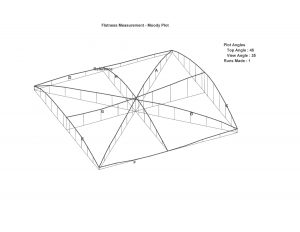
სიბრტყის ტესტირებას 4 დამტკიცებული მეთოდი აქვს. ელექტრონული ნიველირები, ავტოკოლიმაცია, ლაზერი და მოწყობილობა, რომელიც ცნობილია როგორც სიბრტყის ლოკატორი. ჩვენ ვიყენებთ მხოლოდ ელექტრონულ ნიველებს, რადგან ისინი რამდენიმე მიზეზის გამო ყველაზე ზუსტი და სწრაფი მეთოდია.
ლაზერები და ავტოკოლიმატორები სინათლის ძალიან სწორ სხივს იყენებენ, როგორც საორიენტაციო მაჩვენებელს. გრანიტის ზედაპირის ფილის სისწორის გაზომვა ხდება ზედაპირულ ფილასა და სინათლის სხივს შორის მანძილის ვარიაციის შედარებით. სინათლის სწორი სხივის აღებით, მისი რეფლექტორულ სამიზნეზე დარტყმით და რეფლექტორული სამიზნის ზედაპირულ ფილაზე გადაადგილებით, გამოსხივებულ სხივსა და დაბრუნებულ სხივს შორის მანძილი სისწორის გაზომვას წარმოადგენს.
ამ მეთოდის პრობლემა აი, რაშია საქმე. სამიზნესა და წყაროზე გავლენას ახდენს ვიბრაცია, გარემოს ტემპერატურა, არასაკმარისად ბრტყელი ან დაკაწრული სამიზნე, ჰაერში დაბინძურება და ჰაერის მოძრაობა (დენები). ეს ყველაფერი შეცდომის დამატებით კომპონენტებს ქმნის. გარდა ამისა, ავტოკოლიმატორით შემოწმებისას ოპერატორის შეცდომის წვლილი უფრო დიდია.
ავტოკოლიმატორის გამოცდილ მომხმარებელს შეუძლია ძალიან ზუსტი გაზომვების გაკეთება, თუმცა მაინც აწყდება პრობლემები ჩვენებების თანმიმდევრულობასთან დაკავშირებით, განსაკუთრებით დიდ მანძილებზე, რადგან არეკვლა, როგორც წესი, ფართოვდება ან ოდნავ ბუნდოვანი ხდება. ასევე, არასრულად ბრტყელი სამიზნე და ლინზებში ხანგრძლივი ყურება დამატებით შეცდომებს იწვევს.
სიბრტყის ლოკატორის მოწყობილობა უბრალოდ სულელურია. ეს მოწყობილობა იყენებს გარკვეულწილად სწორ (ძალიან სწორ კოლიმირებულ ან ლაზერულ სინათლის სხივთან შედარებით) ეტალონად. მექანიკური მოწყობილობა არა მხოლოდ იყენებს ინდიკატორს, რომელსაც ჩვეულებრივ მხოლოდ 20 დიუმიანი გარჩევადობა აქვს, არამედ ზოლის არასწორობა და განსხვავებული მასალები მნიშვნელოვნად ზრდის გაზომვის შეცდომებს. ჩვენი აზრით, მიუხედავად იმისა, რომ მეთოდი მისაღებია, არცერთი კომპეტენტური ლაბორატორია არასოდეს გამოიყენებს სიბრტყის ლოკატორის მოწყობილობას საბოლოო შემოწმების ინსტრუმენტად.
ელექტრონული ნიველები გრავიტაციას იყენებენ, როგორც საცნობარო ნიშნულს. დიფერენციალურ ელექტრონულ ნიველებზე ვიბრაცია გავლენას არ ახდენს. მათ აქვთ 0.1 რკალური წამის დაბალი გარჩევადობა და გაზომვები სწრაფი და ზუსტია და გამოცდილი ოპერატორის მხრიდან შეცდომის წვლილი ძალიან მცირეა. არც სიბრტყის ლოკატორები და არც ავტოკოლიმატორები არ უზრუნველყოფენ ზედაპირის კომპიუტერის მიერ გენერირებულ ტოპოგრაფიულ (სურათი 1) ან იზომეტრიულ ნახაზებს (სურათი 2).
სურათი 2
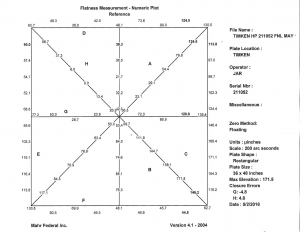
ზედაპირის სათანადო სიბრტყის ტესტი
ზედაპირის სათანადო სიბრტყის ტესტი ამ ნაშრომის იმდენად მნიშვნელოვანი ნაწილია, რომ მისი დასაწყისში განთავსება მომიწია. როგორც ადრე აღვნიშნეთ, ფედერალური სპეციფიკაცია GGG-p-463c არ არის კალიბრაციის მეთოდი. ის სახელმძღვანელოს წარმოადგენს მეტროლოგიური კლასის გრანიტის მრავალი ასპექტისთვის, რომლის სავარაუდო მყიდველი არის ნებისმიერი ფედერალური სამთავრობო სააგენტო, რაც მოიცავს ტესტირების მეთოდებს და ტოლერანტობას ან კლასებს. თუ კონტრაქტორი აცხადებს, რომ მან დაიცვა ფედერალური სპეციფიკაციები, მაშინ სიბრტყის მნიშვნელობა განისაზღვრება მუდის მეთოდით.
მუდი 50-იანი წლების მეცნიერი იყო, რომელმაც შეიმუშავა მათემატიკური მეთოდი საერთო სიბრტყის დასადგენად და შემოწმებული ხაზების ორიენტაციის გასათვალისწინებლად, იმისდა მიუხედავად, საკმარისად ახლოს იყვნენ თუ არა ისინი ერთსა და იმავე სიბრტყეში. არაფერი შეცვლილა. Allied Signal-მა სცადა მათემატიკური მეთოდის გაუმჯობესება, მაგრამ დაასკვნა, რომ განსხვავებები იმდენად მცირე იყო, რომ ძალისხმევად არ ღირდა.
თუ ზედაპირული ფილების კონტრაქტორი იყენებს ელექტრონულ დონეებს ან ლაზერს, ის გამოთვლებში კომპიუტერს იყენებს. კომპიუტერის დახმარების გარეშე, ავტოკოლიმაციის გამოყენებით ტექნიკოსმა ჩვენებები ხელით უნდა გამოთვალოს. სინამდვილეში, ისინი ამას არ აკეთებენ. ამას ძალიან დიდი დრო სჭირდება და, გულწრფელად რომ ვთქვათ, შეიძლება ძალიან რთულიც იყოს. მუდის მეთოდით სიბრტყის ტესტის დროს, ტექნიკოსი Union Jack კონფიგურაციის რვა ხაზს სისწორეზე ამოწმებს.
მუდის მეთოდი
მუდის მეთოდი მათემატიკური გზაა იმის დასადგენად, რვა ხაზი ერთსა და იმავე სიბრტყეზეა თუ არა. წინააღმდეგ შემთხვევაში, თქვენ გექნებათ მხოლოდ 8 სწორი ხაზი, რომლებიც შეიძლება ერთსა და იმავე სიბრტყეზე ან მის მახლობლად იყოს ან არ იყოს. გარდა ამისა, კონტრაქტორი, რომელიც აცხადებს, რომ იცავს ფედერალური რეგულაციის სპეციფიკაციას და იყენებს ავტოკოლიმაციას, ის...უნდამონაცემების რვა გვერდის გენერირება. თითოეული შემოწმებული ხაზისთვის თითო გვერდი, რათა დაადასტუროს მისი ტესტირება, შეკეთება ან ორივე ერთად. წინააღმდეგ შემთხვევაში, კონტრაქტორს წარმოდგენა არ აქვს, რა არის სიბრტყის რეალური ღირებულება.
დარწმუნებული ვარ, თუ თქვენ იმ ადამიანთაგანი ხართ, ვინც ფირფიტებს ავტოკოლიმაციის გამოყენებით კონტრაქტორის მიერ კალიბრაციას ახდენს, ეს გვერდები არასდროს გინახავთ! სურათი 3 არის ნიმუში.მხოლოდ ერთირვა გვერდიანი სამუშაო აუცილებელია საერთო სიბრტყის გამოსათვლელად. ამ უმეცრებისა და ბოროტების ერთ-ერთი ნიშანია, თუ თქვენს ანგარიშს აქვს მომრგვალებული რიცხვები. მაგალითად, 200, 400, 650 და ა.შ. სწორად გამოთვლილი მნიშვნელობა რეალური რიცხვია. მაგალითად, 325.4 u In. როდესაც კონტრაქტორი იყენებს მუდის გამოთვლების მეთოდს და ტექნიკოსი ხელით ითვლის მნიშვნელობებს, თქვენ უნდა მიიღოთ გამოთვლების რვა გვერდი და იზომეტრიული დიაგრამა. იზომეტრიული დიაგრამა აჩვენებს სხვადასხვა სიმაღლეებს სხვადასხვა ხაზების გასწვრივ და რა მანძილია შერჩეულ გადაკვეთის წერტილებს შორის.
სურათი 3(სიბრტყის ხელით გამოსათვლელად რვა გვერდია საჭირო. აუცილებლად იკითხეთ, რატომ არ იღებთ ამას, თუ თქვენი კონტრაქტორი ავტოკოლიმაციას იყენებს!)
სურათი 4
განზომილებიანი საზომი ხელსაწყოების ტექნიკოსები იყენებენ დიფერენციალურ დონეებს (სურათი 4), როგორც სასურველ მოწყობილობებს, კუთხურობის მცირე ცვლილებების გასაზომად საზომი სადგურიდან სადგურამდე. დონეებს აქვთ გარჩევადობა 0.1 რკალურ წამამდე (5 u ინჩი 4 დიუმიანი სასრიალოთი), უკიდურესად სტაბილურია, არ მოქმედებს ვიბრაციაზე, გაზომილ მანძილებზე, ჰაერის ნაკადებზე, ოპერატორის დაღლილობაზე, ჰაერის დაბინძურებაზე ან სხვა მოწყობილობებში თანდაყოლილ ნებისმიერ პრობლემაზე. კომპიუტერის დახმარების დამატებით, დავალება შედარებით სწრაფი ხდება, რაც ქმნის ტოპოგრაფიულ და იზომეტრიულ ნახაზებს, რომლებიც ადასტურებს ვერიფიკაციას და რაც მთავარია, შეკეთებას.
სათანადო განმეორებადობის ტესტი
განმეორებითი წაკითხვა ანუ განმეორებადობა ყველაზე მნიშვნელოვანი ტესტია. განმეორებადობის ტესტის შესასრულებლად ჩვენ ვიყენებთ აღჭურვილობას, რომელიც არის განმეორებითი წაკითხვის მოწყობილობა, LVDT და გამაძლიერებელი, რომელიც აუცილებელია მაღალი გარჩევადობის წაკითხვისთვის. ჩვენ LVDT გამაძლიერებელს ვაყენებთ მინიმუმ 10 u ინჩის ან 5 u ინჩის გარჩევადობაზე მაღალი სიზუსტის ფირფიტებისთვის.
მხოლოდ 20 ერთ ინჩის გარჩევადობის მქონე მექანიკური ინდიკატორის გამოყენება უსარგებლოა, თუ ცდილობთ 35 ერთ ინჩის განმეორებადობის მოთხოვნის შემოწმებას. ინდიკატორებს აქვთ 40 ერთ ინჩის გაურკვევლობა! განმეორებითი წაკითხვის დაყენება სიმაღლის საზომის/ნაწილის კონფიგურაციას ბაძავს.
განმეორებადობა არ არის იგივე, რაც საერთო სიბრტყე (საშუალო სიბრტყე). მე მომწონს, რომ გრანიტში განმეორებადობა განიხილება, როგორც თანმიმდევრული რადიუსის გაზომვა.
სურათი 5
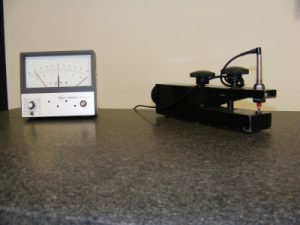
თუ მრგვალი ბურთის განმეორებადობას შეამოწმებთ, მაშინ აჩვენებთ, რომ ბურთის რადიუსი არ შეცვლილა. (სწორად შეკეთებული ფირფიტის იდეალურ პროფილს ამოზნექილი გვირგვინის ფორმა აქვს.) თუმცა, აშკარაა, რომ ბურთი ბრტყელი არ არის. უფრო სწორად, დაახლოებით. ძალიან მოკლე მანძილზე ის ბრტყელია. რადგან შემოწმების სამუშაოების უმეტესობა ნაწილთან ძალიან ახლოს სიმაღლის საზომს მოიცავს, განმეორებადობა გრანიტის ფირფიტის ყველაზე კრიტიკულ თვისებად იქცევა. უფრო მნიშვნელოვანია საერთო სიბრტყე, თუ მომხმარებელი გრძელი ნაწილის სისწორეს არ ამოწმებს.
დარწმუნდით, რომ თქვენი კონტრაქტორი ჩაატარებს განმეორებით ტესტირებას. ფირფიტას შეიძლება ჰქონდეს განმეორებითი ჩვენება, რომელიც მნიშვნელოვნად აღემატება ტოლერანტობის ზღვარს, მაგრამ მაინც გაიაროს სიბრტყის ტესტი! საოცარია, რომ ლაბორატორიას შეუძლია მიიღოს აკრედიტაცია ტესტირებაში, რომელიც არ მოიცავს განმეორებითი ჩვენების ტესტს. ლაბორატორია, რომელსაც არ შეუძლია შეკეთება ან არ არის ძალიან კარგი შეკეთებაში, ამჯობინებს მხოლოდ სიბრტყის ტესტირების ჩატარებას. სიბრტყის დონე იშვიათად იცვლება, თუ ფირფიტას არ გადაადგილებთ.
განმეორებითი წაკითხვის ტესტირება ყველაზე მარტივი შესამოწმებელია, მაგრამ ყველაზე რთული ლაქირების დროს. დარწმუნდით, რომ თქვენს კონტრაქტორს შეუძლია განმეორებადობის აღდგენა ზედაპირის „დაზიანების“ ან ზედაპირზე ტალღების დატოვების გარეშე.
დელტა T ტესტი
ეს ტესტი გულისხმობს ქვის ფაქტობრივი ტემპერატურის გაზომვას მის ზედა და ქვედა ზედაპირზე და სხვაობის, დელტა T-ს, გამოთვლას სერტიფიკატზე ასახვისთვის.
მნიშვნელოვანია ვიცოდეთ, რომ გრანიტის თერმული გაფართოების საშუალო კოეფიციენტია 3.5 uIn/inch/grade. გარემოს ტემპერატურა და ტენიანობა გრანიტის ფილაზე უმნიშვნელოდ მოქმედებს. თუმცა, ზედაპირის ფილა შეიძლება გადავიდეს ტოლერანტობის ზღვარს ან ზოგჯერ გაუმჯობესდეს, მაშინაც კი, თუ დელტა T 0.3 – 0.5 გრადუსი ფარენჰეიტია. აუცილებელია ვიცოდეთ, არის თუ არა დელტა T 0.12 გრადუსი ფარენჰეიტის ფარგლებში, სადაც ბოლო კალიბრაციის შემდეგ სხვაობა იყო.
ასევე მნიშვნელოვანია ვიცოდეთ, რომ ფირფიტების სამუშაო ზედაპირი სითბოსკენ მიემართება. თუ ზედა ტემპერატურა ქვედაზე მაღალია, მაშინ ზედა ზედაპირი მაღლა იწევს. თუ ქვედა ტემპერატურა უფრო მაღალია, რაც იშვიათია, მაშინ ზედა ზედაპირი იძირება. ხარისხის მენეჯერისთვის ან ტექნიკოსისთვის საკმარისი არ არის იმის ცოდნა, რომ ფირფიტა ბრტყელია და განმეორებადი კალიბრაციის ან შეკეთების დროს, არამედ იმის ცოდნა, თუ რა იყო მისი დელტა T საბოლოო კალიბრაციის ტესტირების დროს. კრიტიკულ სიტუაციებში მომხმარებელს შეუძლია, დელტა T-ს გაზომვით, თავად განსაზღვროს, გადავიდა თუ არა ფირფიტა ტოლერანტობის ზღვარს მხოლოდ დელტა T ვარიაციების გამო. საბედნიეროდ, გრანიტს გარემოსთან ადაპტაციისთვის მრავალი საათი ან თუნდაც დღე სჭირდება. დღის განმავლობაში გარემოს ტემპერატურის მცირე რყევები მასზე გავლენას არ მოახდენს. ამ მიზეზების გამო, ჩვენ არ ვაცხადებთ გარემოს კალიბრაციის ტემპერატურას ან ტენიანობას, რადგან ეფექტები უმნიშვნელოა.
გრანიტის ფირფიტის ცვეთა
მიუხედავად იმისა, რომ გრანიტი ფოლადის ფირფიტებზე უფრო მყარია, გრანიტი მაინც ქმნის დაბალ ლაქებს ზედაპირზე. ნაწილებისა და საზომების განმეორებითი მოძრაობა ზედაპირის ფირფიტაზე ცვეთის ყველაზე დიდი წყაროა, განსაკუთრებით თუ ერთი და იგივე ადგილი მუდმივად გამოიყენება. ჭუჭყი და სახეხი მტვერი, რომელიც ფირფიტის ზედაპირზე რჩება, აჩქარებს ცვეთის პროცესს, რადგან ის ნაწილებს ან საზომებსა და გრანიტის ზედაპირს შორის ხვდება. ნაწილებისა და საზომების ზედაპირზე გადაადგილებისას, აბრაზიული მტვერი, როგორც წესი, დამატებითი ცვეთის მიზეზია. ცვეთის შესამცირებლად გირჩევთ მუდმივ გაწმენდას. ჩვენ შევნიშნეთ ფირფიტების ცვეთა, რომელიც გამოწვეულია ფირფიტებზე განთავსებული UPS-ის ყოველდღიური ამანათების მიწოდებით! ცვეთის ეს ლოკალიზებული ადგილები გავლენას ახდენს კალიბრაციის განმეორებადობის ტესტის მაჩვენებლებზე. თავიდან აიცილეთ ცვეთა რეგულარული გაწმენდით.
გრანიტის ფილების გაწმენდა
თეფშის სისუფთავის შესანარჩუნებლად, ჭუჭყის მოსაშორებლად გამოიყენეთ წებოვანი ტილო. უბრალოდ ძალიან მსუბუქად დააჭირეთ, რომ წებოს ნარჩენები არ დარჩეს. კარგად გამოყენებული წებოვანი ტილო შესანიშნავად აგროვებს მტვერს წმენდებს შორის. არ იმუშაოთ ერთსა და იმავე ადგილას. გადაანაწილეთ თქვენი მოწყობილობა თეფშზე, გადაანაწილეთ ცვეთა. თეფშის გასაწმენდად სპირტის გამოყენება დასაშვებია, მაგრამ გაითვალისწინეთ, რომ ეს დროებით ზედაპირს ძალიან გააგრილებს. შესანიშნავია მცირე რაოდენობით საპნის დამატება. კომერციულად ხელმისაწვდომი საწმენდი საშუალებები, როგორიცაა Starrett-ის საწმენდი, ასევე შესანიშნავია გამოსაყენებლად, მაგრამ დარწმუნდით, რომ ზედაპირიდან საპნის ყველა ნარჩენები მოაცილეთ.
გრანიტის ფილების შეკეთება
ახლა უკვე აშკარა უნდა იყოს, თუ რამდენად მნიშვნელოვანია დარწმუნდეთ, რომ თქვენი ზედაპირული ფილების კონტრაქტორი ახორციელებს კომპეტენტურ კალიბრაციას. „კლირინგის სახლის“ ტიპის ლაბორატორიებს, რომლებიც გვთავაზობენ „ყველაფერი ერთი ზარით გააკეთე“ პროგრამებს, იშვიათად ჰყავთ ტექნიკოსი, რომელსაც შეუძლია შეკეთების ჩატარება. მაშინაც კი, თუ ისინი სთავაზობენ შეკეთებას, მათ ყოველთვის არ ჰყავთ ტექნიკოსი, რომელსაც აქვს საჭირო გამოცდილება, როდესაც ზედაპირული ფილა მნიშვნელოვნად სცილდება ტოლერანტობას.
თუ გეტყვიან, რომ ფირფიტის შეკეთება შეუძლებელია ძლიერი ცვეთის გამო, დაგვიკავშირდით. დიდი ალბათობით, ჩვენ შევძლებთ მის შეკეთებას.
ჩვენი ტექნიკოსები ერთიდან ერთწლიან წლამდე სტაჟირებას გადიან ზედაპირული ფილების ოსტატ ტექნიკოსთან. ზედაპირული ფილების ოსტატ ტექნიკოსად ჩვენ განვსაზღვრავთ ადამიანს, რომელმაც დაასრულა სტაჟირება და აქვს ათ წელზე მეტი დამატებითი გამოცდილება ზედაპირული ფილების კალიბრაციასა და შეკეთებაში. Dimensional Gauge-ში ჩვენ გვყავს სამი ოსტატი ტექნიკოსი, რომელთა საერთო გამოცდილება 60 წელზე მეტია. ჩვენი ერთ-ერთი ოსტატი ტექნიკოსი ნებისმიერ დროს ხელმისაწვდომია მხარდაჭერისა და ხელმძღვანელობისთვის რთული სიტუაციების დროს. ჩვენს ყველა ტექნიკოსს აქვს გამოცდილება ყველა ზომის ზედაპირული ფილების კალიბრაციაში, პატარადან ძალიან დიდამდე, სხვადასხვა გარემო პირობებში, სხვადასხვა ინდუსტრიაში და ძირითადი ცვეთის პრობლემების შემთხვევაში.
ფედერალური სპეციფიკაციების მიხედვით, საშუალო არითმეტიკული უხეშობის (AA) სპეციფიკური მოთხოვნა 16-დან 64-მდეა. ჩვენ უპირატესობას 30-35 AA დიაპაზონში დამუშავებულ მასალას ვანიჭებთ. უხეშობა ზუსტად იმდენია, რომ ნაწილები და საზომები შეუფერხებლად მოძრაობდეს და არ მიეკროს ან არ მოიღუნოს ზედაპირულ ფირფიტაზე.
შეკეთებისას ჩვენ ვამოწმებთ ფირფიტის სწორად დამაგრებას და სისწორეს. ჩვენ ვიყენებთ მშრალი დამუშავების მეთოდს, მაგრამ გრანიტის მნიშვნელოვანი მოცილების საჭიროების შემთხვევაში, ჩვენ ვახდენთ სველი დამუშავების მეთოდს. ჩვენი ტექნიკოსები თავად ასუფთავებენ მას, ისინი საფუძვლიანად, სწრაფად და ზუსტად მუშაობენ. ეს მნიშვნელოვანია, რადგან გრანიტის ფილების მომსახურების ღირებულება მოიცავს თქვენს შეფერხებას და დანაკარგებს. კომპეტენტური შეკეთება უმნიშვნელოვანესია და არასდროს არ უნდა აირჩიოთ კონტრაქტორი ფასის ან მოხერხებულობის გამო. ზოგიერთი კალიბრაციის სამუშაო მოითხოვს მაღალკვალიფიციურ პირებს. ჩვენ გვაქვს ეს.
საბოლოო კალიბრაციის ანგარიშები
თითოეული ზედაპირული ფილის შეკეთებისა და კალიბრაციისთვის, ჩვენ გთავაზობთ დეტალურ პროფესიონალურ ანგარიშებს. ჩვენი ანგარიშები შეიცავს როგორც კრიტიკული, ასევე შესაბამისი ინფორმაციის მნიშვნელოვან რაოდენობას. ფედერალური სპეციფიკაცია მოითხოვს ჩვენს მიერ მოწოდებული ინფორმაციის უმეტესობას. სხვა ხარისხის სტანდარტებში, როგორიცაა ISO/IEC-17025, მოცემული ინფორმაციის გარდა, ანგარიშების მინიმალური ფედერალური სპეციფიკაციებია:
- ზომა ფუტებში (X' x X')
- ფერი
- სტილი (გულისხმობს დამჭერი რაფების არარსებობას ან ორ ან ოთხ რაფს)
- ელასტიურობის სავარაუდო მოდული
- საშუალო სიბრტყის ტოლერანტობა (განსაზღვრული კლასის/ზომის მიხედვით)
- განმეორებითი წაკითხვის ტოლერანტობა (განსაზღვრული დიაგონალური სიგრძით ინჩებში)
- საშუალო სიბრტყე, როგორც ნაპოვნია
- საშუალო სიბრტყე მარცხნივ
- გაიმეორეთ კითხვა, როგორც იქნა
- გაიმეორეთ კითხვა მარცხნივ
- დელტა T (ზედა და ქვედა ზედაპირებს შორის ტემპერატურის სხვაობა)
თუ ტექნიკოსს ზედაპირული ფირფიტის ლაქირების ან შეკეთების სამუშაოების ჩატარება სჭირდება, მაშინ კალიბრაციის სერტიფიკატს თან ახლავს ტოპოგრაფიული ან იზომეტრიული დიაგრამა, რათა დადასტურდეს შეკეთების სისწორე.
რამდენიმე სიტყვა ISO/IEC-17025 აკრედიტაციებისა და მათი მქონე ლაბორატორიების შესახებ
ის ფაქტი, რომ ლაბორატორიას აქვს ზედაპირული ფირფიტების კალიბრაციის აკრედიტაცია, სულაც არ ნიშნავს იმას, რომ მათ იციან რას აკეთებენ და მით უმეტეს, სწორად აკეთებენ ამას! არც იმას ნიშნავს, რომ ლაბორატორიას შეუძლია შეკეთება. აკრედიტაციის ორგანოები არ ასხვავებენ ვერიფიკაციასა და კალიბრაციას (შეკეთებას) შორის.Aდა ერთი ვიცი, შეიძლება2აკრედიტაციის ორგანოები, რომლებიცLჰალსტუხიAჩემს ძაღლს ლენტი შემოვახვიო, თუ საკმარისი თანხა გადავუხადე! სამწუხარო ფაქტია. მინახავს ლაბორატორიები, რომლებიც აკრედიტაციას სამი ტესტიდან მხოლოდ ერთის ჩატარებით იღებდნენ. უფრო მეტიც, მინახავს ლაბორატორიები, რომლებიც აკრედიტაციას არარეალური გაურკვევლობებით იღებდნენ და აკრედიტაციას ყოველგვარი მტკიცებულების ან დემონსტრირების გარეშე იღებდნენ, თუ როგორ გამოთვალეს მნიშვნელობები. ეს ყველაფერი სამწუხაროა.
შეჯამება
არ შეიძლება არ დააფასოთ ზუსტი გრანიტის ფილების როლი. გრანიტის ფილების მიერ უზრუნველყოფილი ბრტყელი საცნობარო წერტილი არის საფუძველი, რომელზეც ყველა სხვა გაზომვა ხორციელდება.
შეგიძლიათ გამოიყენოთ ყველაზე თანამედროვე, ყველაზე ზუსტი და მრავალმხრივი საზომი ინსტრუმენტები. თუმცა, ზუსტი გაზომვების დადგენა რთულია, თუ საორიენტაციო ზედაპირი ბრტყელი არ არის. ერთხელ, ერთმა პოტენციურმა მომხმარებელმა მითხრა: „კარგი, ეს უბრალოდ შესანიშნავია!“ მე ვუპასუხე: „კარგი, მართალი ხარ და ნამდვილად ვერ გაამართლებ ექსპერტების მოსვლას თქვენი ზედაპირის ფილების მოვლა-პატრონობისთვის“.
ფასი არასდროს არის კარგი მიზეზი ზედაპირული ფილების კონტრაქტორების არჩევისთვის. მყიდველები, ბუღალტრები და ხარისხის ინჟინრების შემაშფოთებელი რაოდენობა ყოველთვის არ ესმით, რომ გრანიტის ფილების ხელახალი სერტიფიცირება არ ჰგავს მიკრომეტრის, კალიპერის ან დიოდური მასის ხელახალი სერტიფიცირებას.
ზოგიერთი ინსტრუმენტი მოითხოვს ექსპერტიზას და არა დაბალ ფასს. ამის თქმის შემდეგ, ჩვენი ტარიფები ძალიან გონივრულია. განსაკუთრებით იმის გათვალისწინებით, რომ დარწმუნებული ვართ, რომ სამუშაოს სწორად ვასრულებთ. დამატებითი ღირებულების თვალსაზრისით, ჩვენ გაცილებით მეტს ვაკეთებთ, ვიდრე ISO-17025 და ფედერალური სპეციფიკაციების მოთხოვნებია.
ზედაპირული ფირფიტები მრავალი განზომილებიანი გაზომვის საფუძველია და გაზომვის სიზუსტის უზრუნველსაყოფად აუცილებელია თქვენი ზედაპირული ფირფიტის სათანადო მოვლა.
გრანიტი ყველაზე პოპულარული მასალაა ზედაპირული ფილებისთვის მისი იდეალური ფიზიკური მახასიათებლების გამო, როგორიცაა ზედაპირის სიმტკიცე და ტემპერატურის რყევების მიმართ დაბალი მგრძნობელობა. თუმცა, ხანგრძლივი გამოყენებისას ზედაპირული ფილები ცვეთას განიცდის.
სიბრტყე და განმეორებადობა ორივე კრიტიკული ასპექტია იმის დასადგენად, უზრუნველყოფს თუ არა ფირფიტა ზუსტ ზედაპირს ზუსტი გაზომვების მისაღებად. ორივე ასპექტის ტოლერანტობა განისაზღვრება ფედერალური სპეციფიკაციით GGG-P-463C, DIN, GB, JJS... სიბრტყე არის ფირფიტაზე ყველაზე მაღალ წერტილს (სახურავის სიბრტყე) და ყველაზე დაბალ წერტილს (ფუძის სიბრტყე) შორის მანძილის გაზომვა. განმეორებადობა განსაზღვრავს, შეიძლება თუ არა ერთი ადგილიდან აღებული გაზომვის გამეორება მთელ ფირფიტაზე მითითებული ტოლერანტობის ფარგლებში. ეს უზრუნველყოფს, რომ ფირფიტაზე არ იყოს პიკები ან ხეობები. თუ ჩვენებები არ შეესაბამება მითითებულ რეკომენდაციებს, მაშინ შეიძლება საჭირო გახდეს ზედაპირის ხელახლა დაფარვა, რათა გაზომვები დაუბრუნდეს სპეციფიკაციას.
ზედაპირის ფილის რუტინული კალიბრაცია აუცილებელია დროთა განმავლობაში სიბრტყისა და განმეორებადობის უზრუნველსაყოფად. Cross-ის ზუსტი გაზომვების ჯგუფი აკრედიტებულია ISO 17025 სტანდარტით ზედაპირის ფილის სიბრტყისა და განმეორებადობის კალიბრაციისთვის. ჩვენ ვიყენებთ Mahr-ის ზედაპირის ფილის სერტიფიცირების სისტემას, რომელიც მოიცავს:
- მუდისა და პროფილის ანალიზი,
- იზომეტრიული ან რიცხვითი დიაგრამები,
- მრავალჯერადი გარბენის საშუალო მაჩვენებელი და
- ავტომატური კლასიფიკაცია ინდუსტრიის სტანდარტების შესაბამისად.
Mahr-ის კომპიუტერული მოდელი განსაზღვრავს ნებისმიერ კუთხურ ან წრფივ გადახრას აბსოლუტური დონიდან და იდეალურად შეეფერება ზედაპირული ფირფიტების მაღალი სიზუსტის პროფილირებისთვის.
კალიბრაციებს შორის ინტერვალები განსხვავდება გამოყენების სიხშირის, ფირფიტის განთავსების გარემო პირობებისა და თქვენი კომპანიის კონკრეტული ხარისხის მოთხოვნების მიხედვით. თქვენი ზედაპირული ფირფიტის სათანადო მოვლა-პატრონობამ შეიძლება უზრუნველყოს უფრო ხანგრძლივი ინტერვალები თითოეულ კალიბრაციას შორის, დაგეხმარებათ თავიდან აიცილოთ ხელახალი დამუშავების დამატებითი ხარჯები და რაც მთავარია, უზრუნველყოფს ფირფიტაზე მიღებული გაზომვების მაქსიმალურად ზუსტობას. მიუხედავად იმისა, რომ ზედაპირული ფირფიტები გამძლედ გამოიყურება, ისინი ზუსტი ინსტრუმენტებია და მათ ასე უნდა მოეპყროთ. აქ მოცემულია რამდენიმე ფაქტორი, რომელიც გასათვალისწინებელია თქვენი ზედაპირული ფირფიტების მოვლასთან დაკავშირებით:
- შეინარჩუნეთ თეფში სუფთად და, თუ შესაძლებელია, დააფარეთ, როდესაც არ იყენებთ.
- თეფშზე არაფერი არ უნდა დაიდოს, გარდა საზომი ხელსაწყოებისა ან გასაზომი ნაწილებისა.
- ნუ გამოიყენებთ თეფშზე ერთსა და იმავე ადგილს ყოველ ჯერზე.
- თუ შესაძლებელია, პერიოდულად გადაატრიალეთ ფირფიტა.
- დაიცავით თქვენი ფირფიტის დატვირთვის ლიმიტი
ზუსტი გრანიტის ბაზას შეუძლია გააუმჯობესოს დაზგის მუშაობა
მექანიკური ინჟინერიის სფეროში ზოგადად და კერძოდ, ჩარხების კონსტრუქციაში მოთხოვნები მუდმივად იზრდება. მაქსიმალური სიზუსტისა და შესრულების მნიშვნელობების მიღწევა ხარჯების გაზრდის გარეშე კონკურენტუნარიანობის მუდმივი გამოწვევაა. აქ გადამწყვეტი ფაქტორი ჩარხების საწოლია. ამიტომ, სულ უფრო მეტი ჩარხების მწარმოებელი ეყრდნობა გრანიტს. მისი ფიზიკური პარამეტრების გამო, ის გვთავაზობს აშკარა უპირატესობებს, რომელთა მიღწევა შეუძლებელია ფოლადის ან პოლიმერული ბეტონის გამოყენებით.
გრანიტი ეგრეთ წოდებული ვულკანური ღრმა ქანია და აქვს ძალიან მკვრივი და ერთგვაროვანი სტრუქტურა გაფართოების უკიდურესად დაბალი კოეფიციენტით, დაბალი თბოგამტარობით და მაღალი ვიბრაციის დემპინგით.
ქვემოთ თქვენ აღმოაჩენთ, თუ რატომ არის დიდი ხანია მოძველებული გავრცელებული მოსაზრება, რომ გრანიტი ძირითადად მხოლოდ მაღალი კლასის კოორდინატების საზომი მანქანების საფუძვლად არის შესაფერისი და რატომ წარმოადგენს ეს ბუნებრივი მასალა, როგორც ჩარხების საფუძველი, ფოლადის ან თუჯის ძალიან ხელსაყრელ ალტერნატივას, თუნდაც მაღალი სიზუსტის ჩარხებისთვის.
ჩვენ შეგვიძლია დავამზადოთ გრანიტის კომპონენტები დინამიური მოძრაობისთვის, გრანიტის კომპონენტები ხაზოვანი ძრავებისთვის, გრანიტის კომპონენტები არადენდროინდელი ტომოგრაფიისთვის, გრანიტის კომპონენტები რენტგენისთვის, გრანიტის კომპონენტები CMM-ისთვის, გრანიტის კომპონენტები CNC-სთვის, გრანიტის ზუსტი კომპონენტები ლაზერისთვის, გრანიტის კომპონენტები აერონავტიკისთვის, გრანიტის კომპონენტები ზუსტი ეტაპებისთვის...
მაღალი დამატებული ღირებულება დამატებითი ხარჯების გარეშე
გრანიტის მზარდი გამოყენება მექანიკურ ინჟინერიაში არც ისე დიდად არის განპირობებული ფოლადის ფასის მასიური ზრდით. ეს იმიტომ ხდება, რომ გრანიტისგან დამზადებული დაზგის საწოლით მიღწეული დამატებითი ღირებულების მიღება შესაძლებელია ძალიან მცირე ან დამატებითი ხარჯების გარეშე. ეს დასტურდება გერმანიასა და ევროპაში ცნობილი დაზგების მწარმოებლების ფასების შედარებით.
გრანიტის მიერ შესაძლებელი თერმოდინამიკური სტაბილურობის, ვიბრაციის ჩამხშობისა და გრძელვადიანი სიზუსტის მნიშვნელოვანი ზრდა ვერ მიიღწევა თუჯის ან ფოლადის ფენით, ან მხოლოდ შედარებით მაღალი დანახარჯებით. მაგალითად, თერმული შეცდომები შეიძლება შეადგენდეს დანადგარის მთლიანი შეცდომის 75%-მდე, ხოლო კომპენსაცია ხშირად პროგრამული უზრუნველყოფის საშუალებით ხდება - ზომიერი წარმატებით. დაბალი თბოგამტარობის გამო, გრანიტი გრძელვადიანი სიზუსტის უკეთესი საფუძველია.
1 μm ტოლერანტობით, გრანიტი ადვილად აკმაყოფილებს DIN 876-ის მიხედვით სიბრტყის მოთხოვნებს სიზუსტის 00 ხარისხისთვის. სიმტკიცის შკალაზე 1-დან 10-მდე 6-ის მნიშვნელობით, ის უკიდურესად მაგარია და მისი 2.8 გ/სმ³ სპეციფიკური წონით თითქმის ალუმინის მნიშვნელობას აღწევს. ეს ასევე იწვევს დამატებით უპირატესობებს, როგორიცაა უფრო მაღალი მიწოდების სიჩქარე, ღერძის უფრო მაღალი აჩქარება და საჭრელი დაზგების ხელსაწყოს სიცოცხლის ხანგრძლივობა. ამრიგად, ჩამოსხმული საწოლიდან გრანიტის დაზგზე გადასვლა ამ დაზგას სიზუსტისა და შესრულების თვალსაზრისით მაღალი კლასის კლასში გადაჰყავს - დამატებითი ხარჯების გარეშე.
გრანიტის გაუმჯობესებული ეკოლოგიური კვალი
ისეთი მასალებისგან განსხვავებით, როგორიცაა ფოლადი ან თუჯი, ბუნებრივი ქვის წარმოება არ საჭიროებს დიდი რაოდენობით ენერგიის დახარჯვას და დანამატების გამოყენებას. კარიერის მოპოვებისა და ზედაპირის დამუშავებისთვის საჭიროა მხოლოდ შედარებით მცირე რაოდენობის ენერგია. ეს იწვევს უკეთეს ეკოლოგიურ ნაკვალევს, რომელიც დანადგარის სიცოცხლის ვადის ამოწურვის შემდეგაც კი აღემატება ფოლადის, როგორც მასალის, ნაკვალევს. გრანიტის ფენა შეიძლება იყოს ახალი დანადგარის საფუძველი ან გამოყენებული იქნას სრულიად განსხვავებული მიზნებისთვის, მაგალითად, გზის მშენებლობისთვის დაქუცმაცებისთვის.
გრანიტის რესურსების დეფიციტიც არ არის. ეს არის ღრმა ქანი, რომელიც დედამიწის ქერქში მაგმისგან წარმოიქმნება. ის მილიონობით წლის განმავლობაში „მწიფდებოდა“ და ძალიან დიდი რაოდენობით არის ხელმისაწვდომი, როგორც ბუნებრივი რესურსი თითქმის ყველა კონტინენტზე, მათ შორის მთელ ევროპაში.
დასკვნა: გრანიტის მრავალი აშკარა უპირატესობა ფოლადთან ან თუჯთან შედარებით ამართლებს მექანიკური ინჟინრების მზარდ მზარდ სურვილს, გამოიყენონ ეს ბუნებრივი მასალა მაღალი სიზუსტის, მაღალი ხარისხის ჩარხების საფუძვლად. გრანიტის თვისებების შესახებ დეტალური ინფორმაცია, რომლებიც უპირატესობას ანიჭებს ჩარხებსა და მექანიკური ინჟინერიისთვის, შეგიძლიათ იხილოთ ამ შემდგომ სტატიაში.
განმეორებითი გაზომვა არის ლოკალური სიბრტყის ფართობების გაზომვა. განმეორებითი გაზომვის სპეციფიკაციაში ნათქვამია, რომ ფილის ზედაპირზე ნებისმიერ ადგილას აღებული გაზომვა განმეორდება მითითებული ტოლერანტობის ფარგლებში. ლოკალური ფართობის სიბრტყის კონტროლი საერთო სიბრტყეზე უფრო მკაცრად კონტროლი უზრუნველყოფს ზედაპირის სიბრტყის პროფილის თანდათანობით ცვლილებას, რითაც მინიმუმამდეა დაყვანილი ლოკალური შეცდომები.
მწარმოებლების უმეტესობა, მათ შორის იმპორტირებული ბრენდები, იცავს სიბრტყის საერთო ტოლერანტობის ფედერალურ სპეციფიკაციას, მაგრამ ბევრი მათგანი უგულებელყოფს განმეორებით გაზომვებს. დღეს ბაზარზე არსებული დაბალი ღირებულების ან ბიუჯეტის მქონე ფირფიტების უმეტესობა არ იძლევა განმეორებითი გაზომვების გარანტიას. მწარმოებელი, რომელიც არ იძლევა განმეორებითი გაზომვების გარანტიას, არ აწარმოებს ფირფიტებს, რომლებიც აკმაყოფილებენ ASME B89.3.7-2013 ან ფედერალური სპეციფიკაციის GGG-P-463c, ან DIN 876, GB, JJS... მოთხოვნებს.
ორივე კრიტიკულად მნიშვნელოვანია ზუსტი გაზომვებისთვის ზედაპირის სიზუსტის უზრუნველსაყოფად. მხოლოდ სიბრტყის სპეციფიკაცია საკმარისი არ არის გაზომვის სიზუსტის გარანტირებისთვის. მაგალითად, ავიღოთ 36 X 48 ინსპექტირების A კლასის ზედაპირის ფირფიტა, რომელიც აკმაყოფილებს მხოლოდ .000300 სიბრტყის სპეციფიკაციას. თუ შემოწმებული ნაწილი რამდენიმე პიკს კვეთს და გამოყენებული საზომი მოწყობილობა დაბალ წერტილშია, გაზომვის შეცდომა შეიძლება იყოს სრული ტოლერანტობა ერთ არეში, 000300! სინამდვილეში, ის შეიძლება ბევრად უფრო მაღალი იყოს, თუ საზომი მოწყობილობა დახრილი ფერდობზეა დაყრდნობილი.
შესაძლებელია 0.000600"-0.000800" შეცდომები, რაც დამოკიდებულია დახრილობის სიმძიმეზე და გამოყენებული საზომი ხელსაწყოს მკლავის სიგრძეზე. თუ ამ ფირფიტას ჰქონდა 0.000050"FIR განმეორებითი გაზომვის სპეციფიკაცია, მაშინ გაზომვის შეცდომა 0.000050"-ზე ნაკლები იქნებოდა, მიუხედავად იმისა, თუ სად ხდება გაზომვა ფირფიტაზე. კიდევ ერთი პრობლემა, რომელიც ჩვეულებრივ წარმოიქმნება, როდესაც არაკვალიფიციური ტექნიკოსი ცდილობს ფირფიტის ზედაპირის აღდგენას ადგილზე, არის მხოლოდ განმეორებითი გაზომვების გამოყენება ფირფიტის სერტიფიცირებისთვის.
განმეორებადობის დასადასტურებლად გამოყენებული ინსტრუმენტები არ არის განკუთვნილი საერთო სიბრტყის შესამოწმებლად. იდეალურად მოხრილ ზედაპირზე ნულზე დაყენებისას, ისინი გააგრძელებენ ნულის წაკითხვას, მიუხედავად იმისა, არის თუ არა ეს ზედაპირი იდეალურად ბრტყელი, იდეალურად ჩაზნექილი თუ ამოზნექილი 1/2"! ისინი უბრალოდ ამოწმებენ ზედაპირის ერთგვაროვნებას და არა სიბრტყეს. მხოლოდ ის ფირფიტა, რომელიც აკმაყოფილებს როგორც სიბრტყის სპეციფიკაციას, ასევე განმეორებითი გაზომვის სპეციფიკაციას, ნამდვილად აკმაყოფილებს ASME B89.3.7-2013-ის ან ფედერალური სპეციფიკაციის GGG-P-463c მოთხოვნებს.
Ask us about or flatness specification and repeat measurement promise by calling +86 19969991659 or emailing INFO@ZHHIMG.COM
დიახ, მაგრამ მათი გარანტირება მხოლოდ კონკრეტული ვერტიკალური ტემპერატურის გრადიენტისთვისაა შესაძლებელი. ფირფიტაზე თერმული გაფართოების ეფექტებმა შეიძლება ადვილად გამოიწვიოს სიზუსტის ცვლილება დასაშვებ ტოლერანტობაზე მეტით, თუ გრადიენტი იცვლება. ზოგიერთ შემთხვევაში, თუ ტოლერანტობა საკმარისად მცირეა, ზემოდან განათებიდან შთანთქმულმა სითბომ შეიძლება გამოიწვიოს გრადიენტის საკმარისი ცვლილება რამდენიმე საათის განმავლობაში.
გრანიტის თერმული გაფართოების კოეფიციენტი დაახლოებით 0.0000035 ინჩია ინჩზე 1°F-ზე. მაგალითად: 36" x 48" x 8" ზედაპირის მქონე ფირფიტას აქვს 0°F დახრილობისას 0.000075" (AA კლასის 1/2) სიზუსტე, ზედა და ქვედა ნაწილები ერთნაირი ტემპერატურისაა. თუ ფირფიტის ზედა ნაწილი გათბება იმ წერტილამდე, სადაც ის 1°F-ით უფრო თბილია, ვიდრე ქვედა ნაწილი, სიზუსტე შეიცვლება 0.000275" ამოზნექილამდე! ამიტომ, ლაბორატორიული კლასის AA-ზე ნაკლები ტოლერანტობის მქონე ფირფიტის შეკვეთა მხოლოდ იმ შემთხვევაში უნდა განიხილებოდეს, თუ არსებობს ადეკვატური კლიმატის კონტროლი.
ზედაპირის ფირფიტა უნდა იყოს დამაგრებული 3 წერტილზე, იდეალურ შემთხვევაში, ფირფიტის ბოლოებიდან სიგრძის 20%-ის დაშორებით. ორი საყრდენი უნდა იყოს განლაგებული გრძელი მხარეებიდან სიგანის 20%-ის დაშორებით, ხოლო დარჩენილი საყრდენი ცენტრში უნდა იყოს. ზუსტი ზედაპირის გარდა, მხოლოდ 3 წერტილს შეუძლია მყარად დაყრდნობა.
წარმოების დროს ფირფიტა ამ წერტილებში უნდა იყოს დამაგრებული, ხოლო გამოყენების დროს მხოლოდ ამ სამ წერტილში. ფილის სამზე მეტ წერტილში დამაგრების მცდელობა გამოიწვევს იმას, რომ ფირფიტა საყრდენს სამი წერტილის სხვადასხვა კომბინაციიდან მიიღებს, რაც არ იქნება იგივე 3 წერტილი, რომელზეც ის წარმოების დროს იყო დამაგრებული. ეს გამოიწვევს შეცდომებს, რადგან ფირფიტა გადაიხრება ახალი საყრდენის განლაგების შესაბამისად. ყველა ჟჰიმგის ფოლადის სადგამს აქვს საყრდენი სხივები, რომლებიც შექმნილია შესაბამის საყრდენ წერტილებთან შესაბამისობაში მოსაყვანად.
თუ ფირფიტა სათანადოდ არის დამაგრებული, ზუსტი გასწორება მხოლოდ იმ შემთხვევაშია საჭირო, თუ თქვენი გამოყენება ამას მოითხოვს. სათანადოდ დამაგრებული ფირფიტის სიზუსტის შესანარჩუნებლად გასწორება აუცილებელი არ არის.
რატომ უნდა აირჩიოთ გრანიტიმანქანების ბაზებიდამეტროლოგიის კომპონენტები?
პასუხი თითქმის ყველა გამოყენებისთვის არის „დიახ“. გრანიტის უპირატესობებია: არ არის ჟანგის და კოროზიისადმი მდგრადი, თითქმის მდგრადია დეფორმაციის მიმართ, არ აქვს კომპენსატორული კუზი ნაკაწრების დროს, უფრო ხანგრძლივი ცვეთის ვადა, უფრო გლუვი მოქმედება, უფრო მეტი სიზუსტე, პრაქტიკულად არამაგნიტური, თერმული გაფართოების დაბალი კოეფიციენტი და დაბალი მოვლა-პატრონობის ღირებულება.
გრანიტი არის მაგმური ქანის სახეობა, რომელიც მოიპოვება მისი უკიდურესი სიმტკიცის, სიმკვრივის, გამძლეობისა და კოროზიისადმი მდგრადობის გამო. თუმცა, გრანიტი ასევე ძალიან მრავალმხრივია - ის მხოლოდ კვადრატებისა და მართკუთხედებისთვის არ გამოიყენება! სინამდვილეში, Starrett Tru-Stone თავდაჯერებულად მუშაობს გრანიტის კომპონენტებთან, რომლებიც რეგულარულად არის დამუშავებული ყველა ფორმის, კუთხისა და მრუდის მიხედვით - შესანიშნავი შედეგებით.
ჩვენი უახლესი ტექნოლოგიებით დამუშავების წყალობით, ჭრილი ზედაპირები შეიძლება იყოს განსაკუთრებით ბრტყელი. ეს თვისებები გრანიტს იდეალურ მასალად აქცევს ინდივიდუალური ზომისა და დიზაინის მქონე მანქანების ბაზებისა და მეტროლოგიური კომპონენტების შესაქმნელად. გრანიტი:
დამუშავებადი
ზუსტად ბრტყელი ჭრისა და დასრულების შემდეგ
ჟანგისადმი მდგრადი
გამძლე
ხანგრძლივი
გრანიტის კომპონენტები ასევე ადვილად იწმინდება. ინდივიდუალური დიზაინის შექმნისას, დარწმუნდით, რომ გრანიტი მისი უმაღლესი უპირატესობების გამო აირჩიეთ.
სტანდარტები/ მაღალი ცვეთის აპლიკაციები
ZhongHui-ს მიერ ჩვენი სტანდარტული ზედაპირის ფირფიტების წარმოებისთვის გამოყენებული გრანიტი შეიცავს კვარცის მაღალ შემცველობას, რაც უზრუნველყოფს ცვეთისა და დაზიანებისადმი უფრო მაღალ მდგრადობას. ჩვენს უმაღლესი ხარისხის შავ და კრისტალურად ვარდისფერ ფერებს აქვთ წყლის დაბალი შთანთქმის მაჩვენებელი, რაც მინიმუმამდე ამცირებს თქვენი ზუსტი საზომების ჟანგის ალბათობას ფირფიტებზე დამაგრებისას. ZhongHui-ს მიერ შემოთავაზებული გრანიტის ფერები იწვევს ნაკლებ სიკაშკაშეს, რაც ნიშნავს ფილების მომხმარებლებისთვის თვალის ნაკლებ დაძაბვას. ჩვენ გრანიტის ტიპები შევარჩიეთ თერმული გაფართოების გათვალისწინებით, რათა ეს ასპექტი მინიმალური ყოფილიყო.
მორგებული აპლიკაციები
როდესაც თქვენი გამოყენება მოითხოვს ინდივიდუალური ფორმების მქონე ფირფიტას, ხრახნიან ჩანართებს, ჭრილებს ან სხვა სახის დამუშავებას, თქვენ უნდა აირჩიოთ მასალა, როგორიცაა შავი დიაბაზი. ეს ბუნებრივი მასალა გთავაზობთ უმაღლეს სიმტკიცეს, შესანიშნავ ვიბრაციის ჩახშობას და გაუმჯობესებულ დამუშავების უნარს.
დიახ, თუ ისინი ძალიან ძლიერ ცვეთილი არ არის. ჩვენი ქარხნული პარამეტრები და აღჭურვილობა უზრუნველყოფს ოპტიმალურ პირობებს ფირფიტების სათანადო კალიბრაციისა და საჭიროების შემთხვევაში ხელახალი დამუშავებისთვის. როგორც წესი, თუ ფირფიტა საჭირო ტოლერანტობის 0.001"-ის ფარგლებშია, მისი ხელახლა დამუშავება ადგილზეა შესაძლებელი. თუ ფირფიტა იმდენად ცვეთილია, რომ ის ტოლერანტობის 0.001"-ზე მეტით სცილდება, ან თუ ის ძლიერ დაღრმული ან ნაკაწრიანია, მაშინ ხელახლა დამუშავებამდე ის ქარხანაში გასახეხად უნდა გაიგზავნოს.
ადგილზე კალიბრაციისა და ზედაპირის აღდგენის ტექნიკოსის შერჩევას დიდი სიფრთხილე უნდა მიექცეს. გირჩევთ, სიფრთხილე გამოიჩინოთ კალიბრაციის სერვისის არჩევისას. მოითხოვეთ აკრედიტაცია და გადაამოწმეთ, რომ ტექნიკოსის მიერ გამოყენებული აღჭურვილობა ფლობს ეროვნული ინსპექტირების ინსტიტუტის მიერ დამოწმებულ კალიბრაციას. გრანიტის ზუსტი დამუშავების სწავლას მრავალი წელი სჭირდება.
ZhongHui უზრუნველყოფს ჩვენს ქარხანაში ჩატარებული კალიბრაციების სწრაფ შესრულებას. თუ შესაძლებელია, გამოაგზავნეთ თქვენი ფირფიტები კალიბრაციისთვის. თქვენი ხარისხი და რეპუტაცია დამოკიდებულია თქვენი საზომი ინსტრუმენტების, მათ შორის ზედაპირული ფირფიტების სიზუსტეზე!
ჩვენს შავ ზედაპირზე დამზადებულ ფირფიტებს მნიშვნელოვნად მაღალი სიმკვრივე და სამჯერ უფრო მყარი აქვთ. ამიტომ, შავი ფერის ფირფიტა არ უნდა იყოს ისეთივე სქელი, როგორც იმავე ზომის გრანიტის ფირფიტა, რომ ჰქონდეს თანაბარი ან მეტი წინააღმდეგობა გადახრის მიმართ. შემცირებული სისქე ნიშნავს ნაკლებ წონას და ტრანსპორტირების დაბალ ხარჯებს.
ფრთხილად იყავით მათთან, ვინც იმავე სისქის დაბალი ხარისხის შავ გრანიტს იყენებს. როგორც ზემოთ აღინიშნა, გრანიტის, ხის ან ლითონის თვისებები მასალისა და ფერის მიხედვით განსხვავდება და არ წარმოადგენს სიმტკიცის, სიმტკიცის ან ცვეთამედეგობის ზუსტ პროგნოზირებას. სინამდვილეში, შავი გრანიტისა და დიაბაზის მრავალი სახეობა ძალიან რბილია და არ არის შესაფერისი ზედაპირული ფირფიტების გამოყენებისთვის.
არა. ამ ნივთების ხელახლა დასამუშავებლად საჭირო სპეციალიზებული აღჭურვილობა და ტრენინგი მოითხოვს მათ ქარხანაში დაბრუნებას კალიბრაციისა და ხელახლა დასამუშავებლად.
დიახ. კერამიკასა და გრანიტს მსგავსი მახასიათებლები აქვთ და გრანიტის დაკალიბრებისა და დამუშავებისთვის გამოყენებული მეთოდების გამოყენება კერამიკულ ნაწარმზეც შეიძლება. კერამიკის დამუშავება გრანიტთან შედარებით უფრო რთულია, რაც უფრო მაღალ ფასს იწვევს.
დიახ, იმ პირობით, რომ ჩანართები ზედაპირის ქვეშ იქნება ჩაღრმავებული. თუ ფოლადის ჩანართები ზედაპირის სიბრტყესთან ერთ დონეზე ან მის ზემოთაა, ფირფიტის დამუშავებამდე ისინი წერტილოვანი სახით უნდა იყოს დამუშავებული. საჭიროების შემთხვევაში, ჩვენ შეგვიძლია ამ სერვისის შეთავაზება.
დიახ. სასურველი ხრახნიანი (ინგლისური ან მეტრული) ფოლადის ჩანართების ეპოქსიდური წებოთი მიმაგრება ფირფიტაზე სასურველ ადგილებშია შესაძლებელი. ZhongHui იყენებს CNC აპარატებს, რათა უზრუნველყოს ყველაზე მჭიდრო ჩანართების ადგილები +/- 0.005″-ის ფარგლებში, ნაკლებად კრიტიკული ჩანართებისთვის, ხრახნიანი ჩანართების ჩვენი მდებარეობის ტოლერანტობაა ±.060″. სხვა ვარიანტებში შედის ფოლადის T-ს მაგვარი ზოლები და მრუდისებრი კუდისებრი ჭრილები, რომლებიც პირდაპირ გრანიტშია დამუშავებული.
მაღალი სიმტკიცის ეპოქსიდური ფისით და კარგი დამუშავებით სწორად შეკრული ჩანართები გაუძლებს დიდ ბრუნვისა და ძვრის ძალას. 3/8"-16 ხრახნიანი ჩანართების გამოყენებით ჩატარებული ბოლოდროინდელი ტესტირებისას, დამოუკიდებელმა სატესტო ლაბორატორიამ გაზომა ეპოქსიდური ჩანართის ზედაპირული ფირფიტიდან ამოსაღებად საჭირო ძალა. გამოიცადა ათი ფირფიტა. ამ ათიდან ცხრა შემთხვევაში, გრანიტი პირველი გაიბზარა. საშუალო დატვირთვა დაზიანების წერტილში იყო 10,020 ფუნტი ნაცრისფერი გრანიტისთვის და 12,310 ფუნტი შავისთვის. იმ ერთადერთ შემთხვევაში, როდესაც ჩანართი ფირფიტიდან გამოვიდა, დატვირთვა დაზიანების წერტილში იყო 12,990 ფუნტი! თუ სამუშაო ნაწილი ჩანართზე ხიდს ქმნის და გამოყენებულია უკიდურესი ბრუნვის მომენტი, შესაძლებელია გრანიტის გასატეხად საკმარისი ძალის გენერირება. ნაწილობრივ ამ მიზეზით, ZhongHui იძლევა მითითებებს ეპოქსიდური ჩანართების მაქსიმალური უსაფრთხო ბრუნვის მომენტისთვის: https://www.zhhimg.com/standard-thread-inserts-product/
დიახ, მაგრამ მხოლოდ ჩვენს ქარხანაში. ჩვენს ქარხანაში შეგვიძლია თითქმის ნებისმიერი ფირფიტის „ახალივით“ მდგომარეობაში აღდგენა, როგორც წესი, მისი შეცვლის ღირებულების ნახევარზე ნაკლებ ფასად. დაზიანებული კიდეების კოსმეტიკური შეკეთება, ღრმა ღარების, ნაკაწრებისა და ორმოების ამოჭრა და მიმაგრებული საყრდენების შეცვლა შესაძლებელია. გარდა ამისა, ჩვენ შეგვიძლია თქვენი ფირფიტის მოდიფიცირება მისი მრავალფუნქციურობის გასაზრდელად, თქვენი სპეციფიკაციების შესაბამისად, მყარი ან ხრახნიანი ფოლადის ჩანართების და საჭრელი ჭრილების ან დამჭერი ტუჩების დამატებით.
რატომ უნდა აირჩიოთ გრანიტი?
გრანიტი არის მაგმული ქანის სახეობა, რომელიც დედამიწაზე მილიონობით წლის წინ ჩამოყალიბდა. მაგმული ქანის შემადგენლობა შეიცავდა მრავალ მინერალს, როგორიცაა კვარცი, რომელიც უკიდურესად მაგარი და ცვეთამედეგია. სიმტკიცისა და ცვეთამედეგობის გარდა, გრანიტს აქვს გაფართოების კოეფიციენტის დაახლოებით ნახევარი, ვიდრე თუჯის. რადგან მისი მოცულობითი წონა დაახლოებით თუჯის წონის ერთი მესამედია, გრანიტის მანევრირება უფრო ადვილია.
მანქანების ბაზებისა და მეტროლოგიური კომპონენტებისთვის ყველაზე ხშირად გამოყენებული ფერი შავი გრანიტია. შავ გრანიტს სხვა ფერებთან შედარებით კვარცის უფრო მაღალი პროცენტული მაჩვენებელი აქვს და, შესაბამისად, ყველაზე ცვეთისადმი მდგრადია.
გრანიტი ეკონომიურია და ჭრილი ზედაპირები შეიძლება იყოს განსაკუთრებით ბრტყელი. მისი ხელით დამუშავება არა მხოლოდ მაქსიმალური სიზუსტის მისაღწევად შეიძლება, არამედ ხელახალი დამუშავება შესაძლებელია თეფშის ან მაგიდის ადგილიდან გადატანის გარეშე. ეს მთლიანად ხელით დამუშავების ოპერაციაა და, როგორც წესი, გაცილებით ნაკლები ღირს, ვიდრე თუჯის ალტერნატივის ხელახალი დამუშავება.
ეს თვისებები გრანიტს იდეალურ მასალად აქცევს ისეთი ზომისა და დიზაინის მქონე მანქანების ბაზებისა და მეტროლოგიური კომპონენტების შესაქმნელად, როგორიცააგრანიტის ზედაპირის ფილა.
ZhongHui აწარმოებს გრანიტის ნაწარმს, რომელიც შექმნილია კონკრეტული ზომების მოთხოვნების დასაკმაყოფილებლად. ეს შეკვეთით დამზადებული ნივთები განსხვავდებასწორი კიდეები toსამკუთხედიგრანიტის მრავალმხრივი ბუნების გამო,კომპონენტებიშეიძლება დამზადდეს ნებისმიერი ზომის; ისინი გამძლეა და დიდხანს გამძლეა.
გრანიტის ზედაპირის ფილების უპირატესობები
სწორ ზედაპირზე გაზომვის მნიშვნელობა ბრიტანელმა გამომგონებელმა ჰენრი მოდსლიმ 1800-იან წლებში დაადგინა. როგორც ჩარხების ინოვატორი, მან დაადგინა, რომ ნაწილების თანმიმდევრული წარმოება საიმედო გაზომვებისთვის მყარ ზედაპირს მოითხოვდა.
ინდუსტრიულმა რევოლუციამ საზომი ზედაპირების მოთხოვნა შექმნა, ამიტომ საინჟინრო კომპანია Crown Windley-მ წარმოების სტანდარტები შექმნა. ზედაპირული ფირფიტების სტანდარტები Crown-მა პირველად 1904 წელს ლითონის გამოყენებით დაადგინა. ლითონის მოთხოვნასა და ღირებულებასთან ერთად, საზომი ზედაპირისთვის ალტერნატიული მასალების შესწავლა დაიწყო.
ამერიკაში, ძეგლის შემქმნელმა უოლეს ჰერმანმა დაადგინა, რომ შავი გრანიტი ლითონის შესანიშნავ ალტერნატივას წარმოადგენდა ზედაპირული ფირფიტის მასალად. რადგან გრანიტი არამაგნიტურია და არ იჟანგება, ის მალევე გახდა სასურველი საზომი ზედაპირი.
გრანიტის ზედაპირის ფილა ლაბორატორიებისა და სატესტო ობიექტებისთვის აუცილებელი ინვესტიციაა. 600 x 600 მმ გრანიტის ზედაპირის ფილა შეიძლება დამონტაჟდეს საყრდენ სადგამზე. სადგამები უზრუნველყოფენ 34 ინჩის (0.86 მ) სამუშაო სიმაღლეს გასწორებისთვის ხუთი რეგულირებადი წერტილით.
სანდო და თანმიმდევრული გაზომვის შედეგებისთვის, გრანიტის ზედაპირის ფირფიტა უმნიშვნელოვანესია. რადგან ზედაპირი გლუვი და სტაბილური სიბრტყეა, ის ინსტრუმენტების ფრთხილად მართვის საშუალებას იძლევა.
გრანიტის ზედაპირის ფილების ძირითადი უპირატესობებია:
• არარეფლექსიური
• ქიმიკატებისა და კოროზიის მიმართ მდგრადი
• დაბალი გაფართოების კოეფიციენტი უთოსთან შედარებით, ამიტომ ტემპერატურის ცვლილება ნაკლებად მოქმედებს
• ბუნებრივად მყარი და გამძლე
• ზედაპირის სიბრტყე უცვლელი რჩება გაკაწრვის შემთხვევაში
• არ დაიჟანგება
• არამაგნიტური
• მარტივი გაწმენდა და მოვლა
• კალიბრაცია და ზედაპირის აღდგენა შესაძლებელია ადგილზე
• შესაფერისია ხრახნიანი საყრდენი ჩანართების ბურღვისთვის
• მაღალი ვიბრაციის დემპფერაცია
ბევრი სახელოსნოსთვის, საინსპექციო ოთახისა და ლაბორატორიისთვის ზუსტი გაზომვის საფუძვლად გრანიტის ზედაპირის ფირფიტებს იყენებენ. რადგან ყველა წრფივი გაზომვა დამოკიდებულია ზუსტ საცნობარო ზედაპირზე, საიდანაც აღებულია საბოლოო ზომები, ზედაპირის ფირფიტები უზრუნველყოფს საუკეთესო საცნობარო სიბრტყეს სამუშაო შემოწმებისა და განლაგებისთვის დამუშავებამდე. ისინი ასევე იდეალურ საფუძველს წარმოადგენენ სიმაღლის გაზომვებისა და ზედაპირების გაზომვისთვის. გარდა ამისა, მაღალი სიბრტყე, სტაბილურობა, საერთო ხარისხი და დამუშავება მათ კარგ არჩევნად აქცევს დახვეწილი მექანიკური, ელექტრონული და ოპტიკური საზომი სისტემების დასამონტაჟებლად. ამ გაზომვის ნებისმიერი პროცესისთვის აუცილებელია ზედაპირის ფირფიტების დაკალიბრება.
განმეორებითი გაზომვები და სიბრტყე
ზედაპირის სიზუსტის უზრუნველსაყოფად კრიტიკულად მნიშვნელოვანია როგორც სიბრტყის, ასევე განმეორებითი გაზომვები. სიბრტყედ შეიძლება ჩაითვალოს ზედაპირის ყველა წერტილის ორ პარალელურ სიბრტყეში, ბაზის სიბრტყესა და სახურავის სიბრტყეში მოთავსება. სიბრტყეებს შორის მანძილის გაზომვა ზედაპირის საერთო სიბრტყეა. სიბრტყის ამ გაზომვას ჩვეულებრივ აქვს ტოლერანტობა და შეიძლება მოიცავდეს კლასის აღნიშვნას.
სამი სტანდარტული კლასის სიბრტყის ტოლერანტობა განისაზღვრება ფედერალურ სპეციფიკაციაში, რომელიც განისაზღვრება შემდეგი ფორმულით:
ლაბორატორიული კლასი AA = (40 + დიაგონალი² / 25) x 0.000001 ინჩი (ცალმხრივი)
ინსპექტირების კლასი A = ლაბორატორიული კლასი AA x 2
ხელსაწყოების ოთახის კლასი B = ლაბორატორიის კლასი AA x 4
სიბრტყის გარდა, უნდა იყოს უზრუნველყოფილი განმეორებადობა. განმეორებითი გაზომვა არის ლოკალური სიბრტყის ფართობების გაზომვა. ეს არის გაზომვა, რომელიც ხორციელდება ფილის ზედაპირის ნებისმიერ წერტილში და განმეორდება მითითებული ტოლერანტობის ფარგლებში. ლოკალური ფართობის სიბრტყის კონტროლი საერთო სიბრტყეზე უფრო მკაცრი ტოლერანტობით უზრუნველყოფს ზედაპირის სიბრტყის პროფილის თანდათანობით ცვლილებას, რითაც მინიმუმამდეა დაყვანილი ლოკალური შეცდომები.
იმისათვის, რომ ზედაპირის ფილა აკმაყოფილებდეს როგორც სიბრტყის, ასევე განმეორებითი გაზომვის სპეციფიკაციებს, გრანიტის ზედაპირის ფილების მწარმოებლებმა თავიანთი სპეციფიკაციების საფუძვლად უნდა გამოიყენონ ფედერალური სპეციფიკაცია GGG-P-463c. ეს სტანდარტი ითვალისწინებს განმეორებითი გაზომვის სიზუსტეს, ზედაპირის ფილების გრანიტის მასალის თვისებებს, ზედაპირის დამუშავებას, საყრდენი წერტილის მდებარეობას, სიმტკიცეს, შემოწმების მისაღებ მეთოდებს და ხრახნიანი ჩანართების მონტაჟს.
ზედაპირის ფირფიტის საერთო სიბრტყისთვის დასაშვებ ნორმას გადააჭარბოს, მასზე გამოჩნდება გაცვეთილი ან ტალღოვანი ბოძები. განმეორებითი გაზომვის შეცდომების ყოველთვიური შემოწმება განმეორებითი მაჩვენებლის გამოყენებით გამოავლენს ცვეთის ადგილებს. განმეორებითი მაჩვენებლის მაჩვენებელი არის მაღალი სიზუსტის ინსტრუმენტი, რომელიც აფიქსირებს ლოკალურ შეცდომას და მისი ჩვენება შესაძლებელია მაღალი გადიდების ელექტრონულ გამაძლიერებელზე.
ფირფიტის სიზუსტის შემოწმება
რამდენიმე მარტივი ინსტრუქციის დაცვით, გრანიტის ზედაპირის ფილაში ინვესტიცია მრავალი წლის განმავლობაში უნდა გაძლოს. ფილის გამოყენების, სახელოსნოს გარემოსა და საჭირო სიზუსტის მიხედვით, ზედაპირის ფილის სიზუსტის შემოწმების სიხშირე განსხვავებულია. ზოგადი წესია, რომ ახალი ფილა სრულად უნდა დაკალიბრდეს შეძენიდან ერთი წლის განმავლობაში. თუ ფილა ხშირად გამოიყენება, სასურველია ეს ინტერვალი ექვს თვემდე შემცირდეს.
ზედაპირის ფირფიტის საერთო სიბრტყისთვის დასაშვებ ნორმას გადააჭარბოს, მასზე გამოჩნდება გაცვეთილი ან ტალღოვანი ბოძები. განმეორებითი გაზომვის შეცდომების ყოველთვიური შემოწმება განმეორებითი მაჩვენებლის გამოყენებით გამოავლენს ცვეთის ადგილებს. განმეორებითი მაჩვენებლის მაჩვენებელი არის მაღალი სიზუსტის ინსტრუმენტი, რომელიც აფიქსირებს ლოკალურ შეცდომას და მისი ჩვენება შესაძლებელია მაღალი გადიდების ელექტრონულ გამაძლიერებელზე.
ეფექტური შემოწმების პროგრამა უნდა მოიცავდეს ავტოკოლიმატორით რეგულარულ შემოწმებებს, რაც უზრუნველყოფს საერთო სიბრტყის ფაქტობრივ კალიბრაციას, რომელიც მიკვლევადია სტანდარტებისა და ტექნოლოგიების ეროვნული ინსტიტუტის (NIST) მიხედვით. დროდადრო აუცილებელია მწარმოებლის ან დამოუკიდებელი კომპანიის მიერ ყოვლისმომცველი კალიბრაცია.
კალიბრაციებს შორის ვარიაციები
ზოგიერთ შემთხვევაში, ზედაპირული ფირფიტის კალიბრაციებს შორის არსებობს განსხვავებები. ზოგჯერ ამ ცვლილებების მიზეზი შეიძლება იყოს ისეთი ფაქტორები, როგორიცაა ცვეთის შედეგად გამოწვეული ზედაპირის ცვლილება, საინსპექციო აღჭურვილობის არასწორი გამოყენება ან არაკალიბრირებული აღჭურვილობის გამოყენება. თუმცა, ორი ყველაზე გავრცელებული ფაქტორია ტემპერატურა და საყრდენი.
ერთ-ერთი ყველაზე მნიშვნელოვანი ცვლადი ტემპერატურაა. მაგალითად, ზედაპირი შესაძლოა კალიბრაციამდე გარეცხილიყო ცხელი ან ცივი ხსნარით და ნორმალიზებისთვის საკმარისი დრო არ მიეცათ. ტემპერატურის ცვლილების სხვა მიზეზებია ცივი ან ცხელი ჰაერის ნაკადი, მზის პირდაპირი სხივები, ზემოდან განათება ან ფირფიტის ზედაპირზე გამოსხივებული სითბოს სხვა წყაროები.
ასევე შეიძლება იყოს ვარიაციები ვერტიკალური ტემპერატურის გრადიენტში ზამთარსა და ზაფხულს შორის. ზოგიერთ შემთხვევაში, ფირფიტას არ აქვს საკმარისი დრო გადაზიდვის შემდეგ ნორმალიზებისთვის. კარგი იდეაა ვერტიკალური გრადიენტის ტემპერატურის ჩაწერა კალიბრაციის შესრულების დროს.
კალიბრაციის ვარიაციის კიდევ ერთი გავრცელებული მიზეზი არასწორად დამაგრებული ფირფიტაა. ზედაპირული ფირფიტა სამ წერტილში უნდა იყოს დამაგრებული, იდეალურ შემთხვევაში, ფირფიტის ბოლოებიდან სიგრძის 20%-ის დაშორებით. ორი საყრდენი გრძელი მხარეებიდან სიგანის 20%-ის დაშორებით უნდა იყოს განლაგებული, ხოლო დარჩენილი საყრდენი ცენტრში უნდა იყოს.
მხოლოდ სამ წერტილს შეუძლია მყარად დაყრდნობა ნებისმიერ ზედაპირზე, გარდა ზუსტი ზედაპირისა. ფირფიტის სამზე მეტ წერტილზე დამაგრების მცდელობა გამოიწვევს იმას, რომ ფირფიტა მიიღებს საყრდენს სამი წერტილის სხვადასხვა კომბინაციიდან, რომლებიც არ იქნება იგივე სამი წერტილი, რომელზეც ის დამაგრებული იყო წარმოების დროს. ეს გამოიწვევს შეცდომებს, რადგან ფირფიტა გადაიხრება ახალი საყრდენის განლაგების შესაბამისად. განიხილეთ ფოლადის სადგამების გამოყენება საყრდენი სხივებით, რომლებიც შექმნილია სათანადო საყრდენი წერტილების შესაბამისად. ამ მიზნით სადგამები, როგორც წესი, ხელმისაწვდომია ზედაპირის ფირფიტის მწარმოებლისგან.
თუ ფირფიტა სათანადოდ არის დამაგრებული, ზუსტი გასწორება მხოლოდ იმ შემთხვევაშია საჭირო, თუ ამას აპლიკაცია მოითხოვს. სათანადოდ დამაგრებული ფირფიტის სიზუსტის შესანარჩუნებლად გასწორება აუცილებელი არ არის.
მნიშვნელოვანია ფირფიტის სისუფთავის შენარჩუნება. ჰაერში გავრცელებული აბრაზიული მტვერი, როგორც წესი, ფირფიტის ცვეთისა და დაზიანების ყველაზე დიდი წყაროა, რადგან ის მიდრეკილია სამუშაო ნაწილებსა და საზომი ხელსაწყოების შეხების ზედაპირებში ჩაჭედვისკენ. დააფარეთ ფირფიტები მტვრისა და დაზიანებისგან დასაცავად. ცვეთის ვადა შეიძლება გახანგრძლივდეს ფირფიტის დაფარვით, როდესაც ის არ გამოიყენება.
ფირფიტის სიცოცხლის გახანგრძლივება
რამდენიმე რეკომენდაციის დაცვა შეამცირებს გრანიტის ზედაპირის ფირფიტის ცვეთას და საბოლოოდ, გაახანგრძლივებს მის მომსახურების ვადას.
პირველ რიგში, მნიშვნელოვანია ფირფიტის სისუფთავის შენარჩუნება. ჰაერში გავრცელებული აბრაზიული მტვერი, როგორც წესი, ფირფიტის ცვეთის ყველაზე დიდი წყაროა, რადგან ის, როგორც წესი, იჭედება სამუშაო ნაწილებსა და საზომი ხელსაწყოების შეხების ზედაპირებზე.
ასევე მნიშვნელოვანია თეფშების დაფარვა მტვრისა და დაზიანებისგან დასაცავად. ცვეთის ვადა შეიძლება გახანგრძლივდეს თეფშის დაფარვით, როდესაც ის არ გამოიყენება.
პერიოდულად შემოატრიალეთ ფირფიტა, რათა ერთი ზედაპირი ზედმეტად არ დაიტვირთოს. ასევე, რეკომენდებულია საზომ ნაწილებზე ფოლადის კონტაქტური ბალიშების კარბიდის ბალიშებით შეცვლა.
მოერიდეთ თეფშზე საკვების ან გამაგრილებელი სასმელების დადებას. ბევრი გამაგრილებელი სასმელი შეიცავს ნახშირბადის ან ფოსფორის მჟავას, რომელსაც შეუძლია რბილი მინერალების გახსნა და ზედაპირზე პატარა ორმოების დატოვება.
სად უნდა გავიმეოროთ
როდესაც გრანიტის ზედაპირის ფილას ხელახლა დამუშავება სჭირდება, განიხილეთ, ეს სერვისი ადგილზე უნდა შესრულდეს თუ კალიბრაციის ობიექტში. ყოველთვის სასურველია ფილას ხელახლა დამუშავება ქარხანაში ან სპეციალურ ობიექტში. თუმცა, თუ ფილა ძალიან ცვეთილი არ არის, როგორც წესი, საჭირო ტოლერანტობიდან 0.001 ინჩის ფარგლებში, მისი ხელახლა დამუშავება ადგილზევე შეიძლება. თუ ფილა იმდენად ცვეთილია, რომ ტოლერანტობიდან 0.001 ინჩზე მეტით სცდება, ან თუ ის ძლიერ დაღრმული ან ნაკაწრულია, მაშინ ის ხელახლა დამუშავებამდე ქარხანაში უნდა გაიგზავნოს დასამუშავებლად.
კალიბრაციის ობიექტს აქვს აღჭურვილობა და ქარხნული პარამეტრები, რომლებიც უზრუნველყოფს ოპტიმალურ პირობებს ფირფიტების სათანადო კალიბრაციისა და საჭიროების შემთხვევაში ხელახალი დამუშავებისთვის.
ადგილზე კალიბრაციისა და ზედაპირის აღდგენის ტექნიკოსის შერჩევას დიდი სიფრთხილე უნდა მიექცეს. მოითხოვეთ აკრედიტაცია და გადაამოწმეთ, რომ ტექნიკოსის მიერ გამოყენებული აღჭურვილობა NIST-ის მიერ მიკვლევად დაკალიბრებას აკმაყოფილებს. გამოცდილება ასევე მნიშვნელოვანი ფაქტორია, რადგან გრანიტის ზუსტი დამუშავების სწავლას მრავალი წელი სჭირდება.
კრიტიკული გაზომვები იწყება ზუსტი გრანიტის ზედაპირის ფირფიტით, როგორც საბაზისო ხაზით. სათანადოდ დაკალიბრებული ზედაპირის ფირფიტის გამოყენებით საიმედო მითითების უზრუნველყოფით, მწარმოებლებს აქვთ ერთ-ერთი აუცილებელი ინსტრუმენტი საიმედო გაზომვებისა და უკეთესი ხარისხის ნაწილებისთვის.
კალიბრაციის ვარიაციების საკონტროლო სია
- კალიბრაციამდე ზედაპირი გარეცხილი იყო ცხელი ან ცივი ხსნარით და ნორმალიზაციისთვის საკმარისი დრო არ მიეცა.
- ფირფიტა არასწორად არის დამაგრებული.
- ტემპერატურის ცვლილება.
- მონახაზები.
- თეფშის ზედაპირზე მზის პირდაპირი სხივები ან სხვა გამოსხივებული სითბო. დარწმუნდით, რომ ზედაპირს ზედაპირს არ აცხელებს.
- ვერტიკალური ტემპერატურის გრადიენტის ვარიაციები ზამთარსა და ზაფხულს შორის. თუ შესაძლებელია, იცოდეთ ვერტიკალური გრადიენტის ტემპერატურა კალიბრაციის შესრულების დროს.
- ფირფიტას გადაზიდვის შემდეგ ნორმალიზებისთვის საკმარისი დრო არ მიეცა.
- შემოწმების აღჭურვილობის არასათანადო გამოყენება ან არაკალიბრირებული აღჭურვილობის გამოყენება.
- ცვეთის შედეგად გამოწვეული ზედაპირის ცვლილება.
ტექნიკური რჩევები
რადგან ყველა წრფივი გაზომვა დამოკიდებულია ზუსტ საცნობარო ზედაპირზე, საიდანაც აღებულია საბოლოო ზომები, ზედაპირის ფირფიტები უზრუნველყოფს საუკეთესო საცნობარო სიბრტყეს სამუშაო შემოწმებისა და განლაგებისთვის დამუშავებამდე.
ლოკალური ფართობის სიბრტყის კონტროლი საერთო სიბრტყესთან შედარებით უფრო მკაცრი ტოლერანტობით უზრუნველყოფს ზედაპირის სიბრტყის პროფილის თანდათანობით ცვლილებას, რითაც მინიმუმამდეა დაყვანილი ლოკალური შეცდომები.